

The U.S. and Canada share huge stretches of the same softwood forests, and Canadian lumber makes up a large share of what’s sold in American lumberyards. Even so, prices on each side of the border don’t always move in step. The forests may be connected, but the markets aren’t.
Tariffs Add a Cost the Trees Don’t Know About
For years, the U.S. has placed duties on Canadian softwood lumber imports, a long-running trade dispute that adds extra cost to Canadian lumber the moment it crosses the border. That single policy difference alone can push U.S. prices higher than what the same wood sells for inside Canada.
Currency Exchange Rates Shift the Math Constantly
Lumber priced in Canadian dollars doesn’t cost U.S. buyers the same amount every day, since the exchange rate between the two currencies moves on its own schedule. A weaker Canadian dollar can make Canadian lumber cheaper for U.S. buyers even if nothing about the wood itself has changed.
The Two Countries Serve Different Demand
U.S. housing starts and Canadian domestic demand don’t always rise and fall together. When American home construction surges, U.S. prices can spike even if Canadian demand stays flat, since American buyers are competing harder for the same supply.
Transportation Costs Aren’t Equal Everywhere
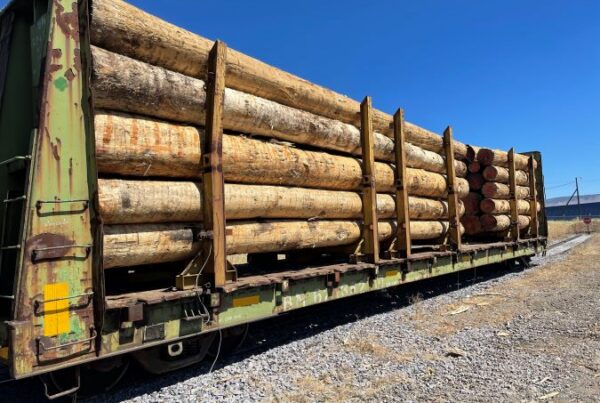
Getting lumber from a Canadian mill to a U.S. jobsite involves trucking or rail costs that vary depending on distance and route. Lumber sold near the border faces very different freight costs than lumber shipped deep into the U.S. interior, which shows up in the final price.
Each Country Also Has Its Own Supply Pressures
Wildfires, mill closures, labor issues, or logging restrictions can hit one country harder than the other in a given year. When Canadian supply tightens for reasons that don’t affect U.S. mills, prices on each side of the border can drift apart even though the wood itself comes from similar forests.
Why This Matters for Anyone Buying Lumber
Shared forests don’t mean a shared market. Tariffs, currency swings, demand differences, freight costs, and localized supply issues all layer on top of the wood itself, which is why U.S. and Canadian lumber prices can tell two very different stories in the same season.