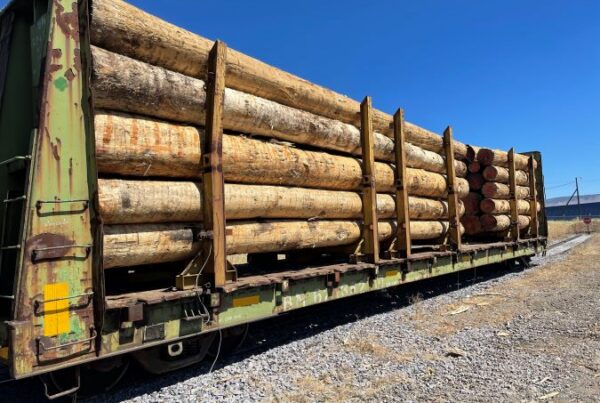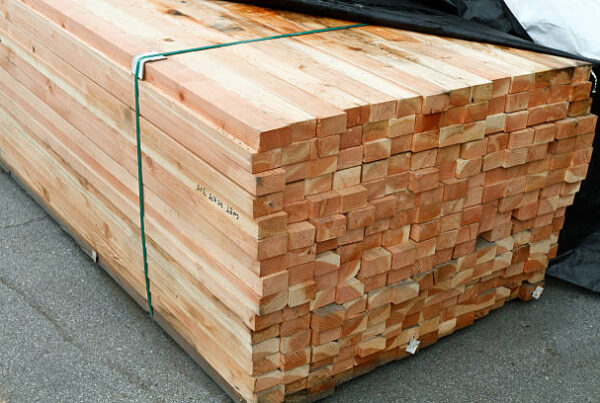


SPF shows up on a line card as one category. It isn’t one single source of wood, though. Eastern, Western, and European SPF all carry the same three letters, but each comes from a different part of the world. Here’s what actually separates them.
Eastern SPF Comes From Slower, Colder Growth
Eastern SPF is milled from spruce, pine, and fir grown across eastern Canada and the northeastern U.S. Long, cold winters slow a tree’s growth way down there. That slower growth tends to produce tighter grain, which many buyers link to strong, stable framing lumber.
Western SPF Grows Bigger, Faster
Western SPF comes from the interior of British Columbia and Alberta. Growing conditions there let trees reach larger diameters. That size gives mills more room to work with, which is part of why Western SPF is such a reliable source for a wide range of stud and dimension lumber.
European SPF Is an Entirely Different Supply Chain
European SPF comes from overseas, mainly Nordic and Central European forests, then gets shipped to North America to help fill supply gaps. It’s graded to meet the same SPF standard. But it starts from a completely separate set of forests, mills, and shipping routes.
Grading Keeps Them Interchangeable on Paper
No matter where it grows, SPF lumber gets graded against the same shared standard. A Premium or #2&Btr stamp means the same structural performance, whether the board came from Quebec, British Columbia, or Scandinavia. That’s what lets all three sit under one SPF category in the first place.
The Real Differences Show Up in Availability
The practical differences show up in availability, lead time, and sourcing. European SPF, for example, is often a special-order item. It fills in when domestic supply runs tight, rather than sitting as a first-choice stocking item.
Why the Distinction Still Matters
Knowing the difference between Eastern, Western, and European SPF isn’t about picking a “better” wood. All three are built to the same grading standard. It’s about understanding where your lumber actually comes from, and why a distributor might reach for one region over another depending on what’s available at the moment.