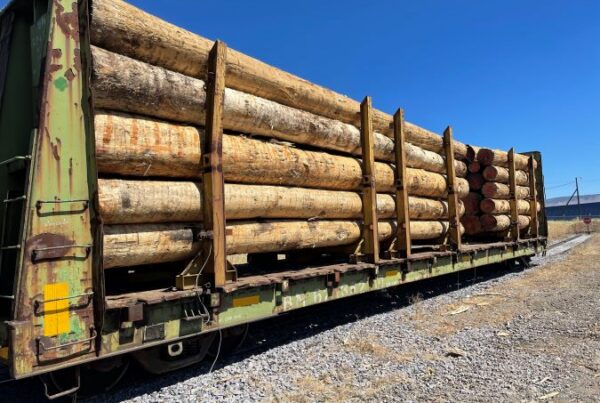


Load a truck to the top of the trailer, and it might still be illegal to drive. Trucking isn’t governed by how much space a load takes up. It’s governed by how much it weighs. Volume fills a trailer. Weight is what the law, the road, and the equipment actually care about.
Trailers Run Out of Weight Before They Run Out of Space
A dry van can hold a huge amount of cubic footage. But federal weight limits kick in well before that space gets used up. Dense freight like bottled water, canned goods, or bagged concrete can max out a truck’s legal weight while the trailer still looks half empty. In cases like this, volume doesn’t matter. Weight is the limiting factor.
Weight Limits Exist for Safety
Bridges, highways, and trailers are all built around maximum weight thresholds. Federal and state rules cap how much a truck can weigh overall. They also limit how that weight can be spread across the axles. A truck that’s overloaded can damage roads and become harder to control, even if the freight fits neatly inside the trailer.
Axle Weight Distribution Matters Just as Much
Staying under the total weight limit isn’t enough on its own. Rules also control how much weight each axle group can carry. A load can be light overall and still break the law. This happens when freight is positioned wrong and puts too much weight on the front or rear axles. Loading a truck correctly is about placement, not just total pounds.
Light, Bulky Freight Creates the Opposite Problem
Some freight works in reverse. It’s light but takes up a lot of space. Furniture, insulation, and packaging materials can fill a trailer completely while barely registering on a scale. When this happens, the truck runs out of room before it hits its weight limit. In the industry, this is called “cubing out” instead of “weighing out.”
Why This Matters for Shippers and Carriers
Knowing whether a load will cube out or weigh out shapes how it gets planned, priced, and legally hauled. A shipper who only thinks about volume can end up with a truck that’s illegal to drive. A carrier who ignores weight distribution risks fines, safety violations, and equipment damage. In trucking, weight decides how a truck gets loaded. Space is secondary.