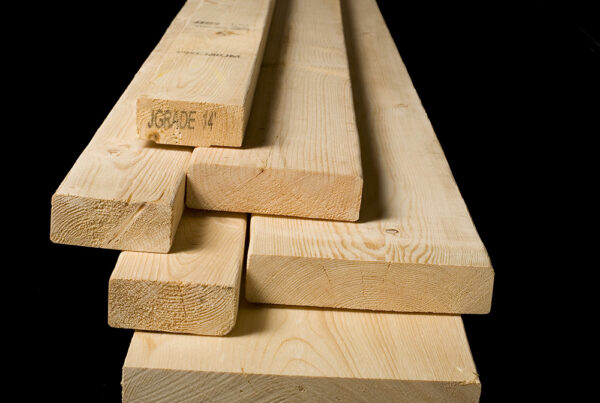


Ask for a “unit” of 2x4s, and you might assume that means a fixed, round number of boards. It doesn’t. A unit is really a bundled package sized by weight and dimension. The exact board count inside changes depending on what size lumber you’re ordering.
A Unit Is a Bundle, Not a Fixed Count
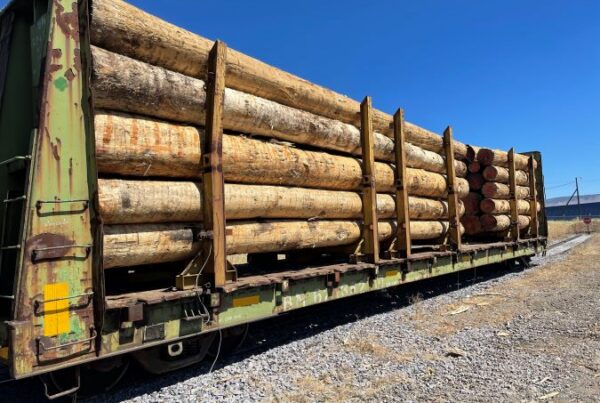
Lumber ships from the mill already banded together into units. These are just the standard bundles the industry uses to move and store lumber efficiently. A unit is built around a specific size and length of board. It’s not built around a universal number of pieces. Two units can look similar sitting on a truck, yet hold completely different quantities of lumber inside.
Board Count Changes With Dimension
A unit of small, narrow boards holds far more pieces than a unit of large, thick ones. That’s because units are built to a consistent overall size and weight, not a consistent piece count. A unit of 2x4s and a unit of 2x10s won’t have anywhere near the same board count, even though both are called “a unit.” The bigger the dimension, the fewer boards it takes to fill the bundle.
Units Make Handling and Shipping Easier
Bundling lumber into units lets mills, trucks, and forklifts move large quantities of wood as a single load. Nobody has to handle loose boards one at a time. This saves time at every step, from the mill yard to the job site. It’s a big part of why the unit system exists, and why it’s stayed the industry standard for decades.
Dealers Can Often Break Units Apart
Lumber ships in units, but many distributors can break a unit apart. That lets them sell smaller quantities to match a customer’s actual order. This flexibility matters for smaller dealers or contractors who don’t need a full bundle of one size. It also means the unit a mill ships isn’t always the same quantity a buyer ends up with, since it may pass through a yard that splits it first.
Why This Matters When You’re Placing an Order
A “unit” refers to a bundle size, not a fixed board count. Knowing this helps avoid confusion when comparing quotes or planning inventory. Two suppliers quoting “per unit” pricing on the same dimension should line up closely. But that comparison falls apart fast if the dimensions differ. The real numbers to ask about are board count and dimension. The word “unit” alone doesn’t tell the whole story.