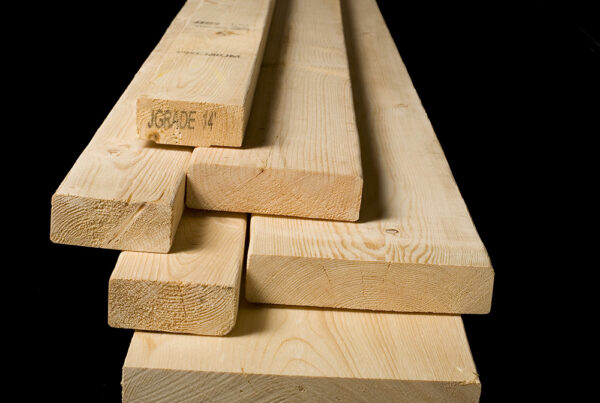


Walk down the lumber aisle and you’ll see 8-foot boards, 10-foot boards, 12-foot boards, but never a 9-foot or an 11-foot board on the standard shelf. That’s not a coincidence. It comes down to how houses get built and how little waste the industry can afford.
Framing Is Built Around Even Numbers
Standard wall heights, stud spacing, and floor systems are all designed around measurements that divide cleanly using even-numbered lumber. An 8-foot stud fits a standard wall height with almost nothing left over. Building the whole system around even lengths keeps the math simple for everyone from architects to framers.
Even Lengths Cut Down on Waste
If lumber only came in odd lengths, builders would constantly be cutting boards down and tossing the leftover piece. Even-numbered lengths were chosen specifically because they match common building dimensions, so less wood ends up as scrap on the jobsite.
It Also Simplifies Everything Upstream
Mills, distributors, and lumberyards all benefit from a predictable set of lengths to cut, stock, and ship. If every length were possible, inventory would balloon and pricing would get far more complicated. Standardizing around even numbers keeps the entire supply chain simpler, from the sawmill to the yard.
The System Still Leaves Room for Longer Lengths
Even-numbered standard lengths don’t mean every board stops at 16 feet. Longer lumber, like 20-foot or 24-foot boards, is still available for larger spans, and it still follows the same even-number pattern for the same reasons.
Why This Matters on the Jobsite
Knowing that lumber comes in even lengths makes it easier to plan a cut list before the truck even arrives. It’s one of those quiet industry standards that most people never think about, but it’s a big part of why framing a house doesn’t require reinventing the math every time.