

Modern sawmills are some of the fastest and most advanced manufacturing facilities in the world. Every day, they transform thousands of logs into the lumber used to build homes, schools, and businesses. Thanks to powerful machinery, computer-guided scanners, and automation, what once took hours can now happen in just minutes.
It Starts with a Scan
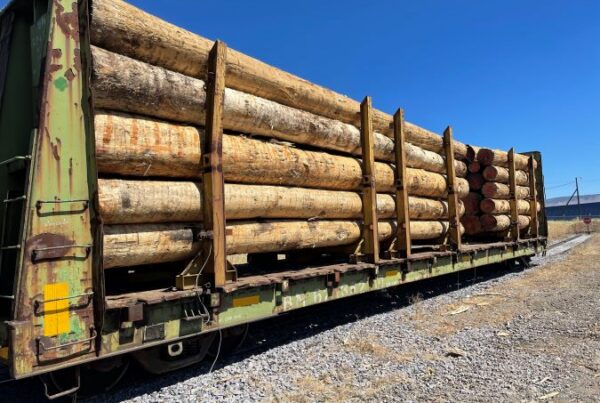
Before a log is cut, it passes through high-speed scanners that create a detailed digital model. Computers analyze its size, shape, and natural features, then calculate the best way to cut it. This helps produce more usable lumber while reducing waste.
Cutting at Incredible Speeds
Once the cutting begins, the process moves incredibly fast. Many modern sawmills can process hundreds of logs every hour and produce well over 1 million board feet of lumber in a single day. Boards travel through the mill on high-speed conveyors while automated equipment keeps production moving almost nonstop.
Precision Is Just as Important
A fast sawmill is only valuable if it produces quality lumber. Every cut is carefully controlled to create accurate dimensions and maximize the amount of lumber recovered from each log. This combination of speed and precision helps produce consistent, high-quality products for builders across North America.
Automation Does the Heavy Lifting
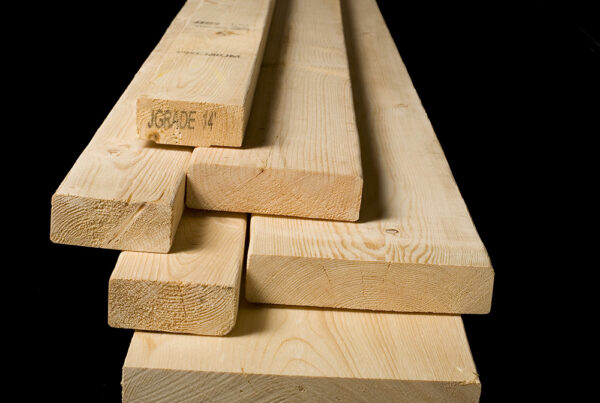
Much of today’s sawmill operates automatically. Machines move logs, sort lumber, stack finished boards, and even separate them by grade and size. Automation improves efficiency while making the workplace safer by reducing the need for manual handling.
Every Part of the Tree Is Used
Very little goes to waste in a modern sawmill. Bark can be used as fuel or mulch, wood chips become paper or engineered wood products, and sawdust is turned into wood pellets, animal bedding, or renewable energy. Nearly every part of the tree has a purpose.
Final Thoughts
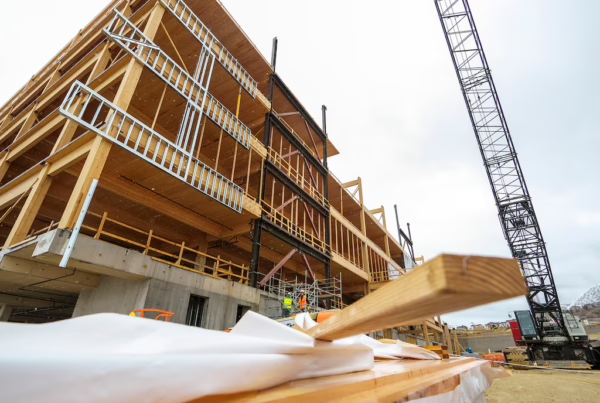
Modern sawmills are a remarkable blend of technology, engineering, and efficiency. In just a few minutes, a single log can become the lumber that will frame a home, support a roof, or build a community. It’s an impressive reminder of how far the lumber industry has come while continuing to make the most of one of nature’s greatest renewable resources.