
When people think about lumber, they usually think about homes, decks, or furniture. What many don’t realize is that every piece of wood also tells a carbon story. Trees naturally remove carbon dioxide from the atmosphere as they grow, and much of that carbon remains stored in the wood long after it becomes lumber. That makes wood one of the few building materials that continues storing carbon throughout its life.
Trees Are Natural Carbon Collectors
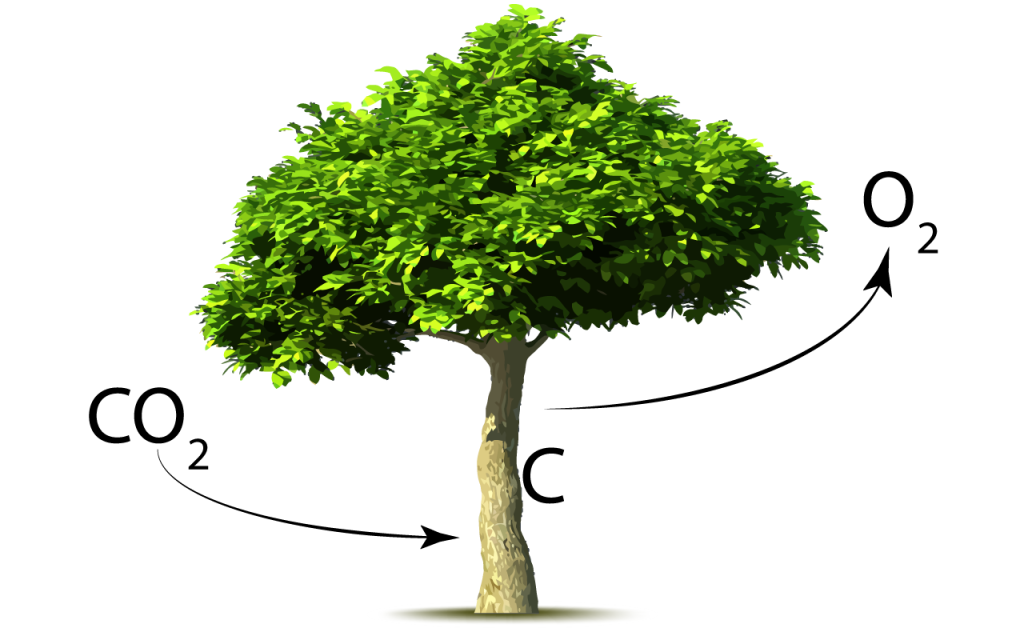
As a tree grows, it absorbs carbon dioxide from the air through photosynthesis. It uses that carbon to build its trunk, branches, and roots, storing it inside the wood year after year. The longer a tree grows, the more carbon it can capture.
The Story Doesn’t End After Harvest
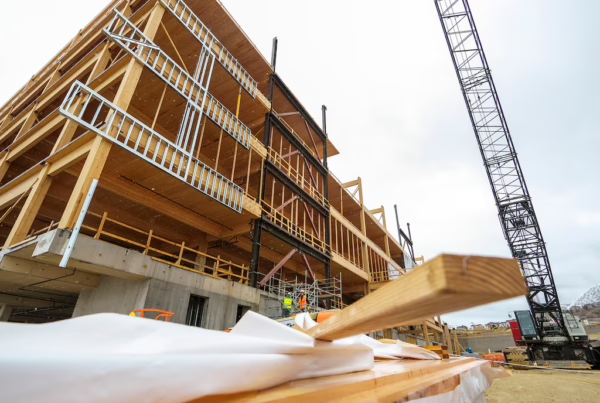
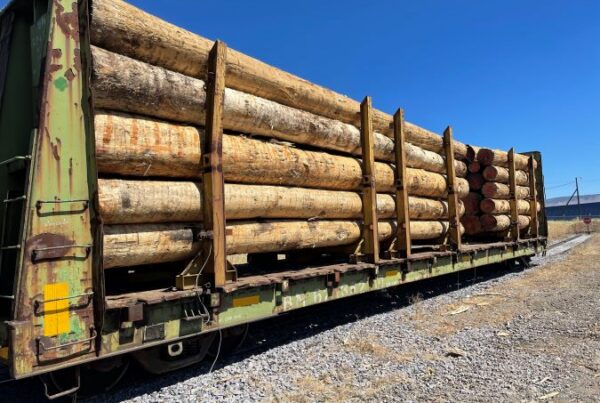
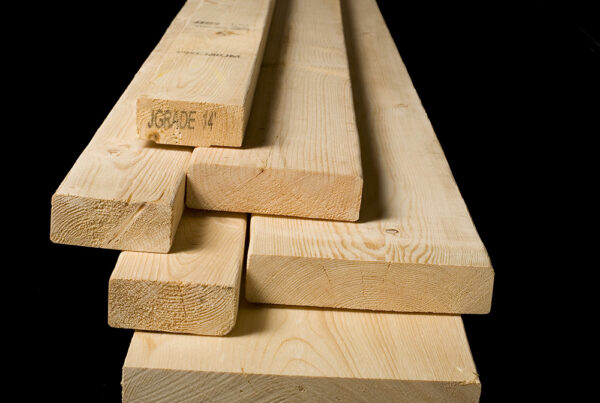
When a tree is responsibly harvested and turned into lumber, the carbon stored in the wood doesn’t simply disappear. Instead, it remains locked inside the finished product. Whether it’s framing a home, supporting a roof, or becoming a piece of furniture, that carbon can stay stored for decades or even centuries.
A Renewable Cycle
Responsibly managed forests are constantly growing and renewing themselves. As mature trees are harvested, new trees are planted or naturally regenerate to take their place. These young trees begin absorbing carbon almost immediately, continuing the cycle of growth, harvest, and renewal.
Why Wood Stands Out
Wood is one of the few major building materials that is both renewable and capable of storing carbon. It also generally requires less energy to produce than materials like steel or concrete. Together, these qualities make lumber an important part of sustainable construction around the world.
Every Board Tells a Story
Every board has a history that began decades earlier in a forest. Before it became part of a home or another structure, it spent years growing and capturing carbon from the atmosphere. That journey continues long after construction is complete, making lumber more than just a building material—it’s part of nature’s carbon cycle.
Final Thoughts
Lumber does more than build homes. It begins as a growing tree, stores carbon throughout its life, and continues storing that carbon after it becomes part of a building. When forests are responsibly managed and renewed, this natural cycle continues, making wood one of the world’s most sustainable and remarkable building materials.