
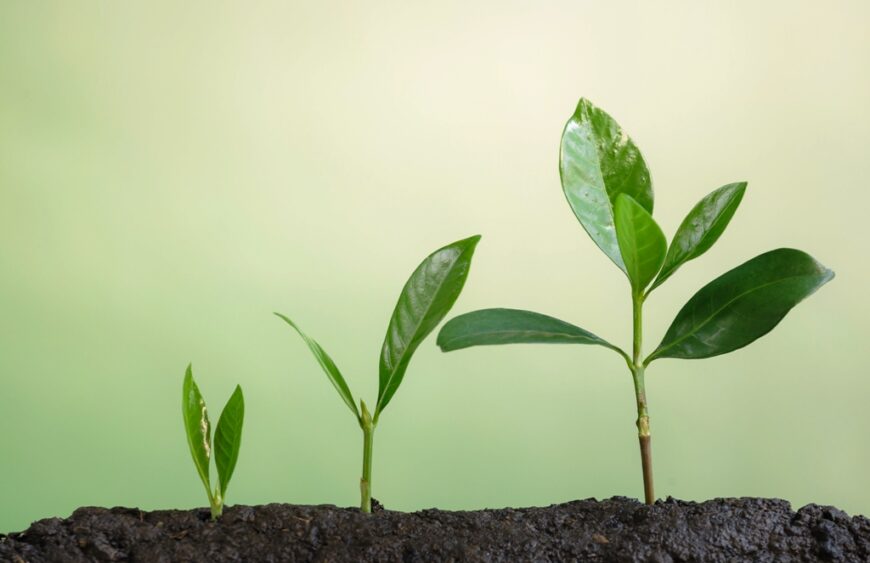
Not all trees grow at the same rate. Some species can reach harvest size in just a few decades, while others may take hundreds of years to mature. Growth speed depends on a combination of genetics, climate, soil, sunlight, water, and competition. Understanding these differences helps explain why forests around the world produce such a wide variety of lumber.
Tree Species Matter
Every tree species has its own natural growth rate. Some are naturally fast growers, while others develop much more slowly. For example, Eucalyptus can grow more than 10 feet per year in ideal conditions, making it one of the fastest-growing commercial hardwoods. Southern Yellow Pine also grows relatively quickly and is widely used for construction. In contrast, species like White Oak and Eastern White Cedar grow at a slower pace, often producing denser, more durable wood over many decades.
Climate Plays a Major Role
Climate has a significant impact on how quickly trees grow. Warm temperatures, abundant rainfall, and long growing seasons allow trees to produce new wood for more months each year. In colder regions, growth slows or stops during the winter, shortening the growing season. A Douglas Fir growing in the Pacific Northwest, for example, often grows much faster than the same species planted in a colder or drier environment.
Soil and Water Fuel Growth
Healthy soil and a reliable water supply are essential for strong tree growth. Rich, well-drained soils provide the nutrients and space roots need to expand, while regular rainfall keeps trees healthy throughout the growing season. Trees growing in poor soils or drought-prone regions must conserve resources, causing them to grow more slowly than those in ideal conditions.
Sunlight and Competition
Trees also compete with one another for sunlight, water, nutrients, and space. Young trees growing beneath a dense forest canopy often receive limited sunlight and may spend years growing slowly until an opening allows more light to reach them. In crowded forests, competition can significantly reduce growth rates, which is why forest managers often thin stands to give the healthiest trees more room to develop.
Fast Growth Isn’t Always Better
Growing quickly doesn’t always produce the best lumber. Slower-growing trees often develop tighter annual growth rings, resulting in denser wood that may offer greater durability and stability for certain applications. Fast-growing species can still produce excellent structural lumber, but their wood characteristics are often different. The best species depends on how the finished lumber will be used.
Sustainable Forestry Considers Growth Rates
Modern forestry takes natural growth rates into account when managing forests. Fast-growing plantations help supply the world’s demand for lumber, while slower-growing forests are managed over longer periods to maintain healthy ecosystems and produce high-quality timber. Careful planning ensures forests remain productive while protecting wildlife habitat and supporting future generations.
Final Thoughts
No two trees grow exactly the same. Species, climate, soil quality, water availability, sunlight, and competition all influence how quickly a tree reaches maturity. These natural differences shape the forests we depend on and determine the qualities of the lumber used in homes, furniture, bridges, and countless other products. Understanding how trees grow helps us appreciate both the value of our forests and the importance of managing them responsibly.