
When lumber arrives at a lumber yard, its journey is already well underway. Every board has passed through forest owners, logging crews, sawmills, and distributors before reaching the shelf. Understanding who owns the forest is the first step in understanding how the lumber supply chain works.
Public Forests
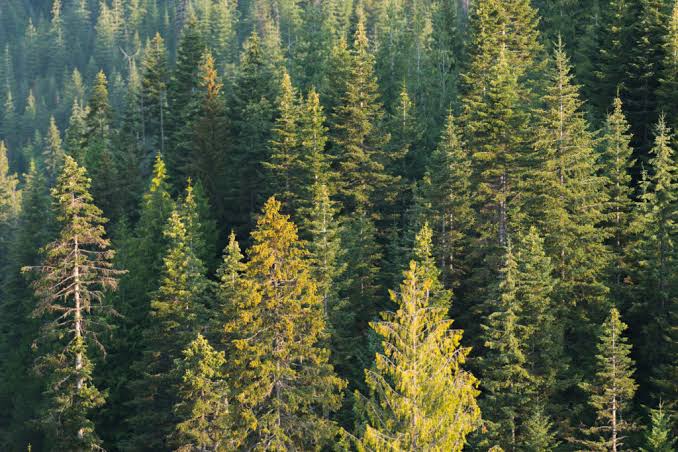
Many forests are owned and managed by federal, state, or provincial governments. Rather than selling the land, governments issue timber harvesting permits or leases to logging companies under regulations designed to ensure forests are responsibly managed and regenerated after harvest.
Private Forest Owners
Private forests are owned by families, farmers, timber companies, and investment firms. These landowners often follow long-term management plans that include harvesting, replanting, and maintaining healthy forests while producing timber for the market.
Indigenous and Community Forests
In some regions, Indigenous communities and local organizations own or manage forests through legal land rights. These forests are managed to support both economic development and long-term environmental stewardship.
From Forest to Lumber Yard
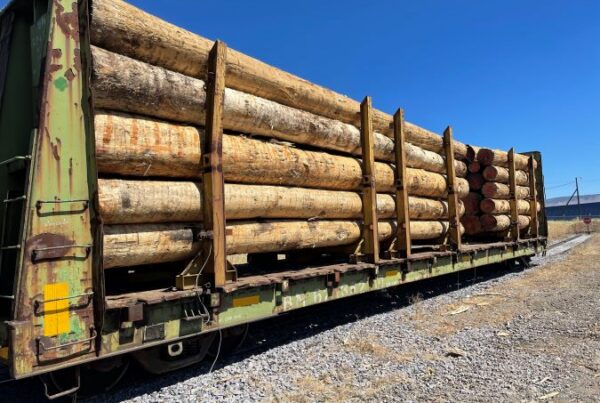
After harvesting, logs are transported to a sawmill, where they are processed into lumber. The finished products are then sold to wholesalers, distributors, or directly to lumber yards. By the time lumber reaches a retailer, it has typically changed hands several times.
The Role of Logging Companies
Logging companies usually harvest timber under contracts with governments or private landowners rather than owning the forests themselves. Their job is to harvest timber safely and according to forestry regulations and management plans.
Sustainable Forestry
Responsible forest management includes replanting, protecting wildlife habitat, and planning future harvests. These practices help ensure forests continue producing timber while remaining healthy for future generations.
Final Thoughts
The lumber at your local yard begins its journey long before it reaches the shelf. Whether the forest is publicly, privately, or community owned, responsible management at every stage helps ensure a reliable supply of quality lumber while protecting the forests that produce it.