

Many people assume the companies that cut down trees or manufacture lumber earn the largest profits. In reality, profit margins vary widely across the wood industry, and the businesses with the highest margins aren’t always the ones handling the most volume. From specialty manufacturing to value-added processing, the greatest profits are often made by companies that create unique products rather than simply moving raw lumber.
Commodity Lumber
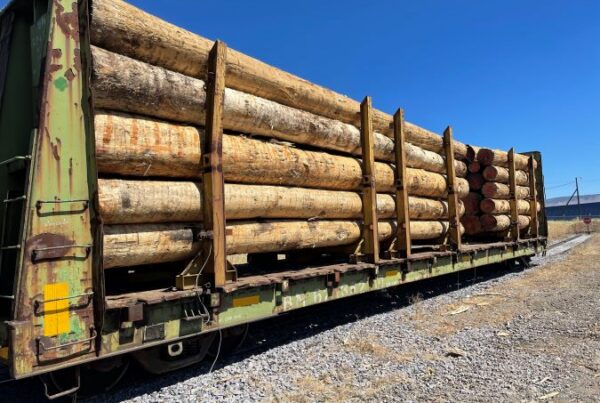
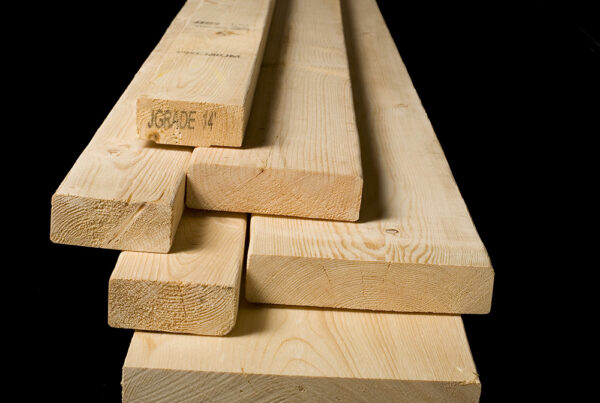
Commodity lumber is one of the lowest-margin segments of the industry. Prices fluctuate daily based on supply and demand, leaving sawmills and distributors with limited pricing power. Although companies may sell millions of board feet each year, competition is intense, making efficiency and volume essential for profitability.
Specialty Lumber
Specialty lumber products typically generate higher margins because they serve specific customer needs. Appearance-grade lumber, long-length material, custom dimensions, treated products, and premium grades are often produced in smaller quantities and require specialized handling. Customers are usually willing to pay more for products that are difficult to source or solve a particular problem.
Engineered Wood Products
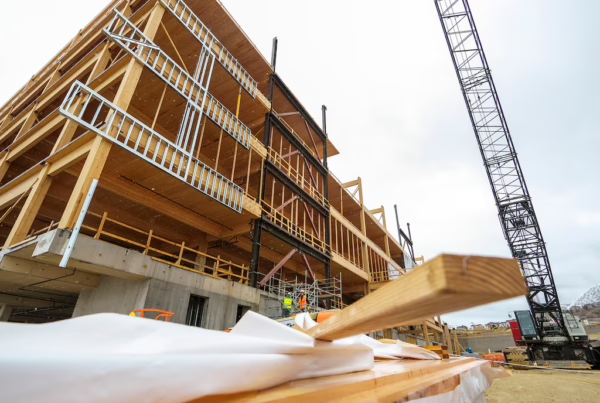
Engineered wood products such as laminated veneer lumber (LVL), glulam beams, and cross-laminated timber (CLT) often command some of the strongest margins in the construction market. These products require advanced manufacturing and engineering but offer superior performance, consistency, and strength compared to traditional lumber.
Millwork and Finished Products
One of the highest-margin areas of the wood industry is finished wood products. Cabinets, doors, mouldings, flooring, furniture, and custom millwork all add significant value to basic lumber. A board worth only a few dollars as rough lumber may become part of a premium product worth many times more after machining, finishing, and assembly.
Wood Pellets and Biomass
Even wood waste has become profitable. Bark, sawdust, and wood chips that were once discarded are now sold as biomass fuel, wood pellets, animal bedding, mulch, and landscaping products. While these materials have lower selling prices, they create additional revenue from material that would otherwise generate little or no value.
Distribution and Logistics
Lumber distributors generally operate on moderate margins but create value through inventory, transportation, and service rather than manufacturing. By stocking material from multiple mills and delivering products quickly, distributors help customers avoid delays and reduce inventory costs, allowing them to earn healthy returns through efficient operations.
Custom Manufacturing
Companies that produce custom pallets, crates, timber components, trusses, and prefabricated building materials often enjoy higher margins than commodity lumber producers. Their products are built to customer specifications, making price less dependent on the daily lumber market and more dependent on the value of the finished solution.
The Biggest Competitive Advantage
Across nearly every segment of the industry, the highest margins come from adding value rather than simply selling wood. Cutting, machining, treating, engineering, packaging, or customizing lumber allows businesses to differentiate themselves from competitors and command premium pricing.
Final Thoughts
The highest margins in the wood industry rarely come from selling raw lumber alone. While commodity lumber remains an essential part of the market, the greatest profits are typically found in specialty products, engineered wood, custom manufacturing, and finished goods. The more value a company adds before the wood reaches the customer, the greater its opportunity to earn stronger margins.