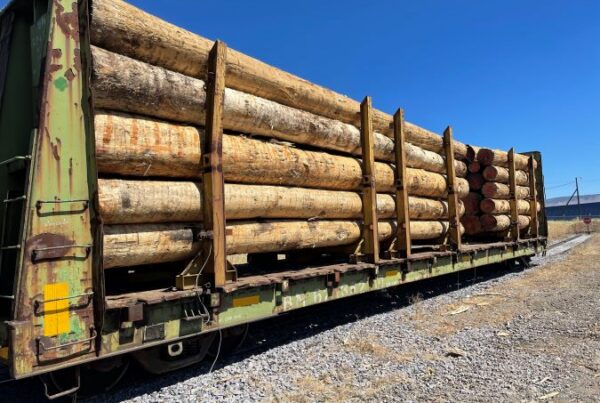


Two logs from the same forest can have dramatically different prices. While they may appear similar from the outside, characteristics like species, size, straightness, and defects determine how much valuable lumber or veneer can be produced from each one.
Species Makes a Huge Difference
Some tree species are naturally more valuable because of their appearance, durability, or demand. Premium hardwoods such as walnut, white oak, and cherry often command much higher prices than common softwoods. Even within the same species, regional demand and available supply can significantly influence value.
Bigger Usually Means Better
Larger diameter logs produce wider, longer boards with fewer cuts and less waste. They also allow manufacturers to recover premium products such as wide hardwood flooring, furniture stock, and architectural lumber that smaller logs cannot provide.
Straight Logs Produce Better Lumber
A straight log allows sawmills to recover longer, more consistent boards with fewer defects. Crooked logs generate more waste, require additional trimming, and reduce overall lumber yield. Straightness is one of the most important characteristics buyers evaluate.
Defects Can Reduce Value Quickly
Knots, decay, cracks, insect damage, embedded metal, and internal rot all reduce the amount of usable lumber that can be recovered. Even a large log can lose significant value if defects prevent high-grade lumber from being produced.
Veneer Logs Are in a Class of Their Own
The most valuable logs are often veneer quality. These exceptional logs have large diameters, minimal knots, excellent straightness, and nearly flawless grain. Instead of being sawn into boards, they are peeled or sliced into thin veneer sheets used for high-end furniture, cabinetry, and architectural panels. A single veneer log can be worth many times more than an average saw log.
Age Doesn’t Always Equal Value
Older trees are not automatically worth more. While mature trees often produce larger logs, defects accumulated over decades can reduce quality. The highest value comes from logs that combine size with excellent structural condition and minimal defects.
Final Thoughts
The value of a log is determined by far more than its size. Species, straightness, diameter, grain quality, and the absence of defects all influence how much usable lumber can be recovered. That’s why one log may be worth hundreds of dollars while another from the same forest can be worth thousands.