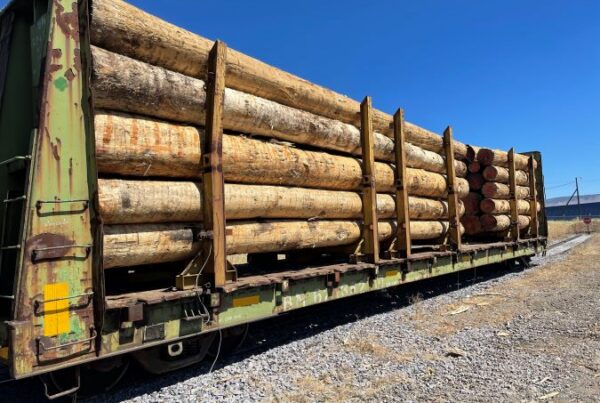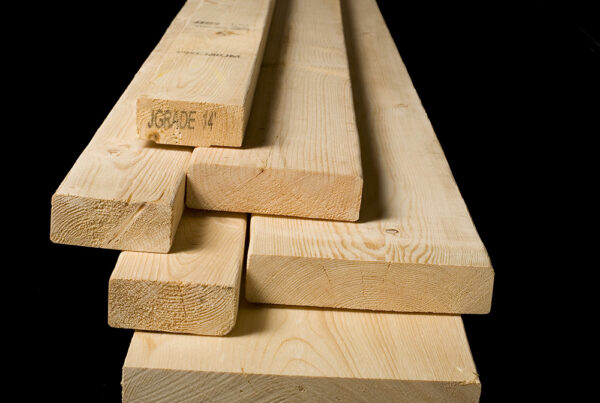


When people hear the word lumber, they often think of standard framing material used in construction. While those products make up a large portion of the market, they are only one part of the industry. Lumber is generally divided into two categories: commodity lumber and specialty lumber. Understanding the difference between them helps buyers choose the right material, plan purchases more effectively, and avoid costly mistakes.
What Is Commodity Lumber?
Commodity lumber includes the everyday products that move through the market in large volumes. These are the materials commonly used for framing houses, building roofs, installing subfloors, and completing other standard construction projects. Products such as dimension lumber, OSB, and many plywood panels fall into this category. Because these materials are produced to established industry standards, buyers can usually source them from multiple suppliers without major differences in specifications.
Why Commodity Lumber Is So Widely Used
The biggest advantage of commodity lumber is consistency. Builders, contractors, and distributors know what to expect because the products are standardized and readily available. Mills produce large volumes, distribution networks are well established, and inventory is often stocked throughout the country. As a result, commodity lumber is typically the first choice when projects require dependable supply and competitive pricing.
What Makes Lumber “Specialty”?
Specialty lumber includes products that serve a specific purpose or offer characteristics that standard lumber cannot provide. This can include imported hardwoods, industrial panels, specialty plywood, treated products, engineered wood products, and unique species selected for appearance or performance. Rather than being chosen simply because they are available, these products are selected because they solve a particular need.
The Role of Specialty Lumber
Specialty lumber often becomes important when a project has requirements that go beyond standard construction materials. A manufacturer may need a panel with specific strength properties. A transportation company may require a product designed to withstand heavy use. An architect may choose a particular species because of its appearance. In each case, the material is selected for a reason, making product knowledge just as important as availability.
Availability Is Often Different
One of the biggest differences between commodity and specialty lumber is how they are sourced. Commodity products are usually available from numerous mills and distributors, creating a broad supply network. Specialty products often come from a smaller group of manufacturers, and some may be imported from other regions or countries. Because supply can be more limited, buyers frequently need to plan purchases further in advance.
Pricing Follows Different Rules
Commodity lumber prices tend to rise and fall with broader market conditions. Housing demand, mill production, transportation costs, and inventory levels can all influence pricing. Specialty lumber is often affected by different factors, including manufacturing complexity, import costs, product availability, and the uniqueness of the material itself. As a result, specialty products do not always follow the same pricing trends as the general lumber market.
Expertise Matters More With Specialty Products
Purchasing commodity lumber is often straightforward because the specifications are familiar throughout the industry. Specialty lumber usually requires a deeper understanding of grades, species, performance characteristics, and end use requirements. Buyers often rely on knowledgeable suppliers to help identify the right product, especially when performance or appearance is critical to the success of the project.
Most Projects Use Both
Commodity lumber and specialty lumber are not competitors. In many cases, they work together on the same project. A commercial building may use commodity framing lumber throughout its structure while incorporating specialty panels, engineered products, or appearance grade materials in specific areas. The ability to combine both categories allows builders and manufacturers to balance performance, availability, and cost.
Final Thoughts
Commodity lumber forms the foundation of the construction industry because it is standardized, widely available, and produced in large volumes. Specialty lumber fills the gaps where unique performance, appearance, or manufacturing requirements exist. Both serve important roles, and understanding the difference between them helps buyers make smarter purchasing decisions. The right choice is rarely about choosing one over the other. It is about selecting the material that best fits the job.