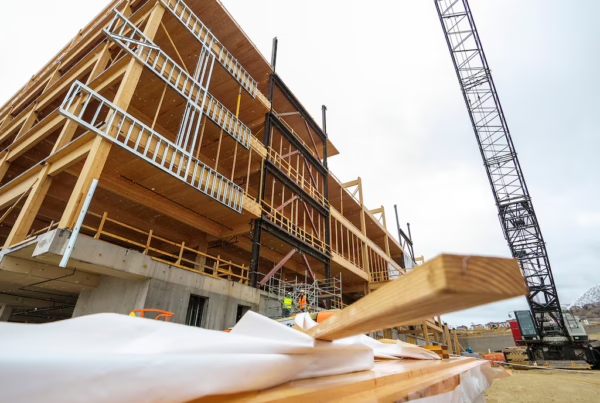

Most people see lumber at the end of the process when it shows up on a jobsite or in a yard. What is not always obvious is how many steps it takes to get from a standing tree in the forest to a finished piece of dimensional lumber ready for construction. Each stage adds value, removes variability, and prepares the material for safe structural use. Understanding this journey helps explain why lumber behaves the way it does in terms of availability, pricing, and consistency.
Harvesting
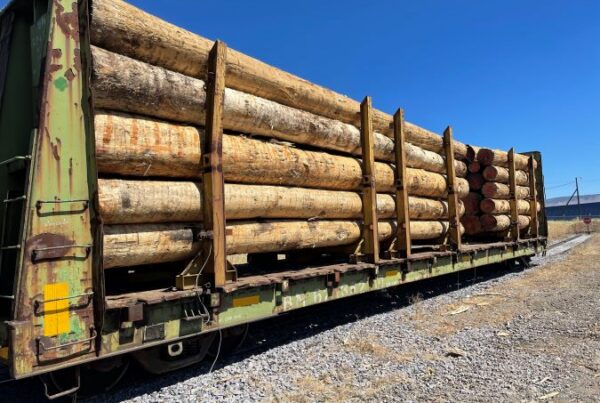
The process begins in the forest where trees are selectively harvested based on species, size, and quality. Logging operations are highly planned, with crews working to maximize usable material while minimizing waste. Once trees are cut, they are transported as logs to nearby mills or processing yards. At this stage, the wood is still raw and inconsistent in size, moisture content, and shape, and its value is largely unrealized until it enters the milling process.
Milling
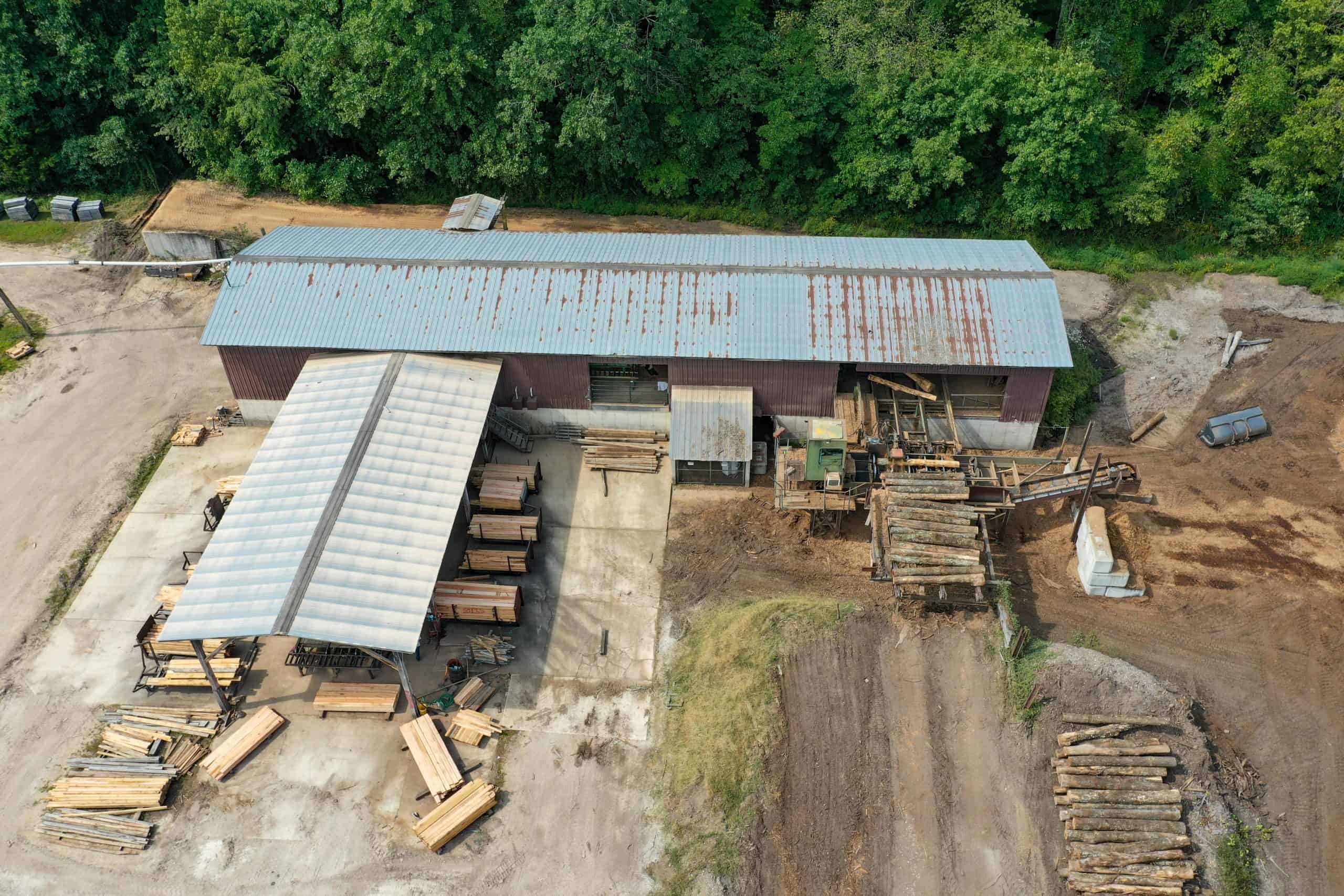
At the mill, logs are sorted and processed into rough lumber using large saw systems designed to maximize yield. Each log is evaluated for how it can be broken down most efficiently based on size and quality. The milling process determines the basic dimensions of the lumber and creates the first layer of usable product, but it also introduces variation as boards are cut in different thicknesses and widths depending on how each log breaks down.
Drying
Once lumber is sawn, it must be dried to reduce moisture content and stabilize the material. This is typically done through either air drying or kiln drying depending on the intended end use. Kiln drying uses controlled heat and airflow to reduce moisture quickly and consistently, helping prevent warping, shrinkage, and movement after installation. Air drying takes longer and produces more variation in moisture levels, but both methods serve the same goal of preparing lumber for structural use.
Grading
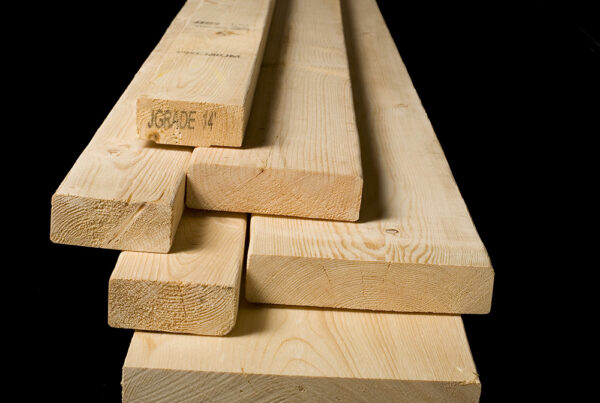
After drying, lumber is sorted and graded based on strength, appearance, and allowable defects. This is where structural quality is formally determined. Pieces with fewer knots and more consistent grain patterns are assigned higher grades, while material with more natural variation is placed into lower grades. These classifications ensure that lumber is used appropriately in construction and that each grade meets specific performance expectations, turning a uniform stack of boards into a structured product with defined reliability.
Distribution Layers
Once graded, lumber enters the distribution system where it moves from mills into regional yards, wholesalers, and end users. This layer exists to bridge the gap between large scale mill production and smaller, more frequent customer demand. Instead of mills selling directly into every market, distributors and yards hold inventory, manage regional supply, and ensure product is available where and when it is needed. This system smooths out production cycles, supports market flexibility, and introduces regional pricing differences based on transportation, demand, and inventory levels.
Final Thoughts
By the time lumber reaches a frame, it has moved through a highly coordinated system that transforms raw timber into a standardized construction material. Each stage of the process plays a role in shaping quality, availability, and cost, from harvesting and milling to drying, grading, and distribution. What looks like a simple board on a jobsite is actually the result of a tightly managed supply chain built to keep construction moving. Understanding this journey gives buyers and builders a clearer view of what they are working with and why lumber is far more complex than it appears on the surface.