
Not all plywood is made for the same job. Some panels are built for strength. Others are built for appearance, consistency, and lighter-duty industrial use. That is the main difference between CDX and C+/C plywood. A simple way to think about it is this: CDX is like a Ford F-150 XL. It is simple, strong, reliable, and made to work. C+/C is more like a Honda Accord. It is still practical and dependable, but it is better for jobs where the panel may be seen, handled, or expected to have a cleaner finish.
CDX Is the Workhorse Panel
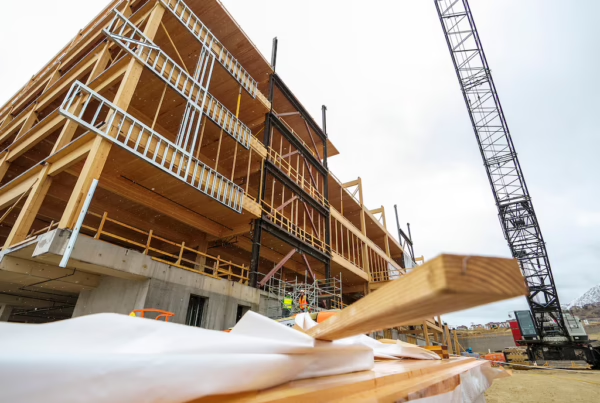
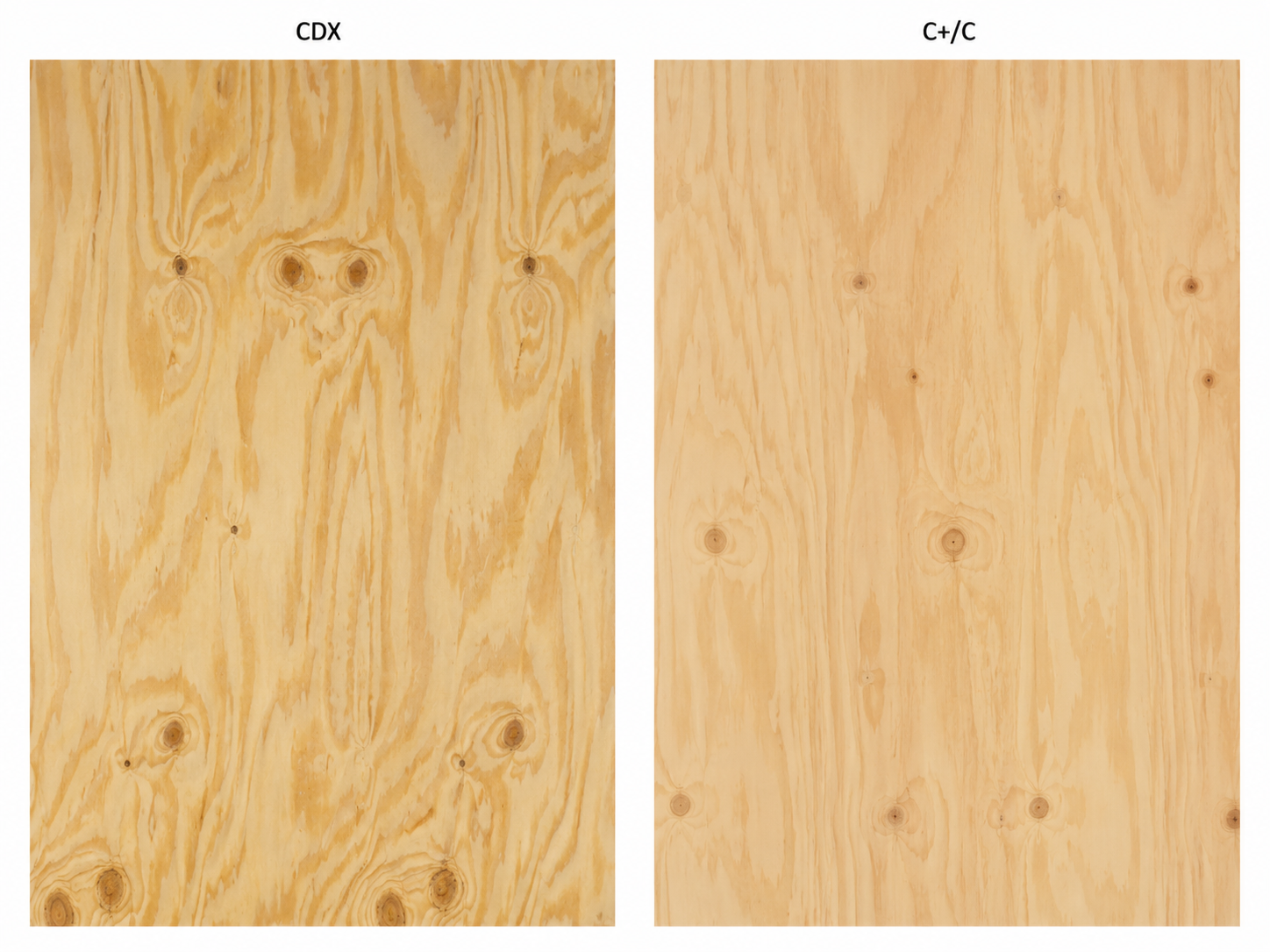
CDX is usually the better choice when strength matters more than appearance. It is made with higher-density veneers and is not sanded. That gives it a rougher surface, but that is not a problem for the jobs it is made for. CDX is commonly used for wall sheathing, roof sheathing, subfloors, and other construction applications. In most of these jobs, the panel gets installed, covered, and never really seen again. The goal is not to have the best-looking panel. The goal is to have a strong panel that can handle the job.
C+/C Is the Cleaner Panel
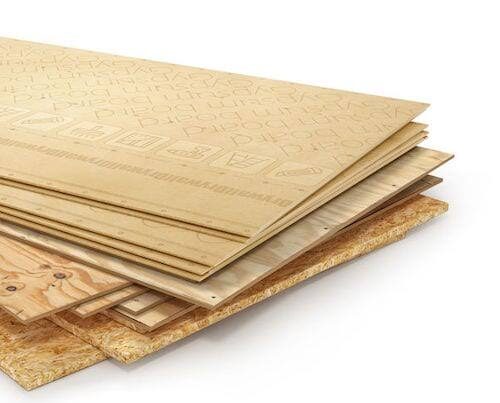
C+/C is made for applications where the surface matters more. It usually uses less dense veneers than CDX, but the face is repaired and sanded. This creates a smoother and more uniform panel. That makes C+/C a better fit for packaging, crating, industrial components, pallet tops, protective panels, and other uses where the plywood may stay visible. C+/C is not usually chosen because it is stronger than CDX. It is chosen because it gives the customer a cleaner-looking panel that is easier to handle and better suited for visible applications.
One Is Not Always Better Than the Other
CDX and C+/C are both useful panels. They are just built for different jobs. CDX makes more sense when the panel needs to perform structurally and will be covered by another material. C+/C makes more sense when the panel is part of a package, crate, component, or finished product where appearance matters. The right choice is not about which panel is “better” overall. It is about which panel fits the application.
Why the Application Matters
The intended use of the panel should drive the grade decision. If the plywood is going behind siding, roofing, or flooring, paying extra for a smoother surface may not be necessary. If the plywood is being used in packaging or crating where the customer will see it, a rough construction-grade panel may not be the best fit. The wrong grade can either cost too much or fail to meet the customer’s expectations. That is why it is important to understand the application before making a recommendation.
Final Thought
CDX is the strong, simple workhorse. It is built for structural applications where performance matters more than looks. C+/C is the cleaner, smoother option. It is built for lighter-duty industrial uses where appearance and surface quality matter more. Neither panel is automatically better than the other. The right choice depends on how the plywood is going to be used. If you can let us know the intended application, we would be happy to recommend the most economical and appropriate grade for your needs.