

For centuries, wood has been one of the world’s most important building materials. Despite advances in steel, concrete, plastics, and engineered materials, lumber continues to play a vital role in construction, manufacturing, and everyday life. Technologies will evolve and markets will change, but one thing remains constant: the world will always need wood. Here’s why the lumber industry isn’t going anywhere.
Wood Is One of the World’s Most Versatile Materials
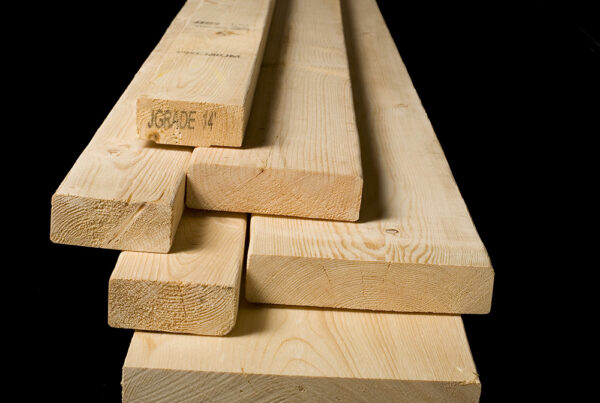
Few materials can match lumber’s versatility. It’s used to build homes, apartments, schools, offices, furniture, packaging, utility poles, fences, decks, and countless other products. Whether it’s a large commercial building or a backyard shed, wood remains one of the most practical and widely used materials available.
Housing Will Always Create Demand
People will always need places to live. As populations grow and communities expand, demand for new housing continues to drive lumber consumption. Even during slower economic cycles, homes still require repairs, renovations, and additions, creating consistent demand for framing lumber and other building materials.
Wood Is a Renewable Resource
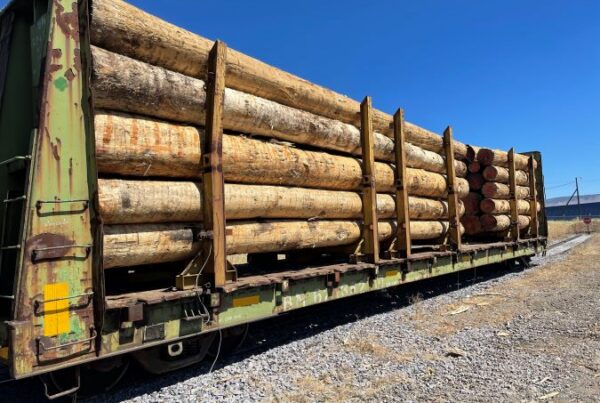
Unlike many construction materials, lumber comes from a renewable resource. Responsible forest management allows harvested trees to be replaced through natural regeneration and replanting, ensuring forests continue producing wood for generations. Sustainable forestry has made lumber one of the most environmentally responsible building materials available today.
New Technology Is Expanding Lumber’s Role
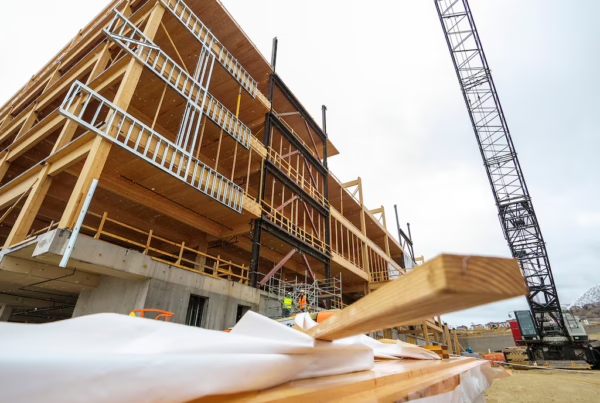
The lumber industry isn’t standing still. Engineered wood products like Cross Laminated Timber (CLT), Glulam, and Laminated Veneer Lumber (LVL) are making it possible to build taller, stronger, and more efficient structures using wood. These innovations continue to open new markets and demonstrate that lumber remains at the forefront of modern construction.
Wood Stores Carbon
Trees naturally absorb carbon dioxide as they grow, and that carbon remains stored in wood products long after they’re harvested. Using lumber in construction can help reduce the overall carbon footprint of buildings while supporting sustainable forestry practices. As the industry continues to focus on environmental responsibility, wood’s ability to store carbon is becoming an increasingly valuable advantage.
Lumber Is Essential Beyond Construction
The lumber industry supports far more than homebuilding. Wood is used to manufacture pallets, crates, packaging materials, furniture, cabinetry, agricultural products, industrial components, and thousands of everyday items. Even industries that don’t directly involve construction rely on wood products to move, protect, and manufacture goods.
An Industry That Continues to Adapt
The lumber industry has weathered recessions, housing downturns, changing regulations, new technologies, and shifting consumer demands for generations. Each challenge has led to innovation, improved efficiency, and stronger supply chains. Companies continue investing in automation, sustainability, and advanced manufacturing, ensuring the industry evolves alongside the needs of modern construction.
The Bottom Line
The lumber industry has existed for centuries because it provides something no other material can fully replace: a renewable, versatile, durable, and cost-effective building resource. While markets will rise and fall, the need for wood will remain. As long as people continue building homes, businesses, schools, and communities, lumber will continue to play a foundational role in shaping the world around us.
At Sherwood Lumber, we’re proud to be part of an industry that has stood the test of time. By supplying quality lumber products, maintaining strong supplier relationships, and adapting to changing market conditions, we remain committed to helping builders and customers succeed—today and for generations to come.