

Long lumber is essential for many construction projects, but producing it is much more challenging than cutting shorter boards. A long board requires a larger, straighter, and healthier log, and it must survive every stage of manufacturing without developing defects. From the forest to the finished product, every extra foot adds complexity, which is why long-length lumber is often less common and more valuable.
It Starts With the Tree
Not every tree can produce long boards. To cut a 20-foot or 24-foot piece of lumber, a sawmill needs a tree with a long, straight section of trunk that is free from major defects. Trees naturally taper as they grow, and many develop large branches, knots, or curves that limit the length of usable lumber.
Defects Become More Likely
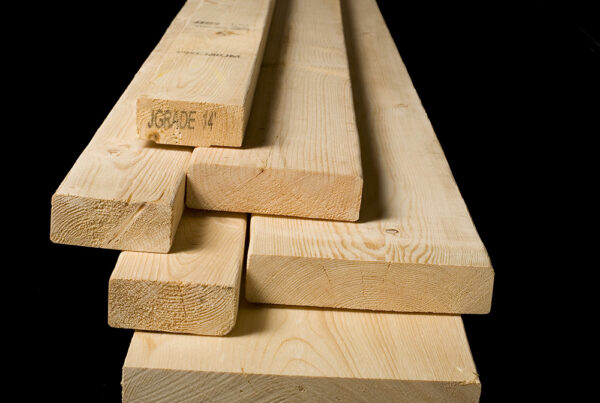
The longer a board is, the greater the chance it will contain knots, splits, rot, insect damage, or other imperfections. Even a single defect can reduce the grade of the entire board or prevent it from being sold in a long length. Finding long sections of clear, high-quality wood becomes increasingly difficult as board length increases.
Drying Takes More Care
Long boards are more likely to warp, bow, twist, or cup while drying because they contain more wood fibers and experience greater internal stresses. Kiln operators must carefully control temperature, humidity, and airflow to dry long lumber evenly. Even with careful drying, some boards may not meet quality standards.
Handling Is More Difficult
Moving a 24-foot board is much harder than moving an 8-foot board. Longer lumber requires specialized equipment, larger storage areas, and extra care during manufacturing, transportation, and unloading. If a long board is bent too much during handling, it can crack or become permanently damaged.
Transportation Adds Challenges
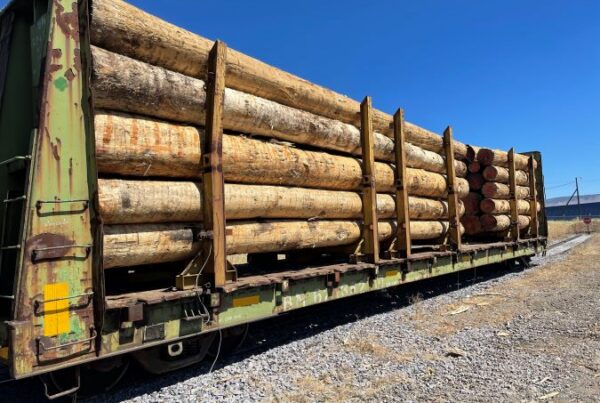
Shipping long lumber isn’t as simple as loading it onto a truck. Longer boards require specialized trailers, careful load balancing, and additional space during transport. They can also be more expensive to ship because fewer pieces fit on each truck, increasing transportation costs.
Demand Is Smaller
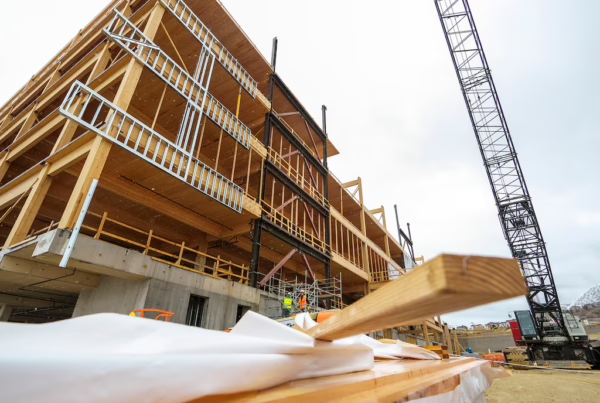
Most residential construction uses standard lumber lengths, so sawmills produce those sizes in much larger volumes. Long boards are typically used for specific applications such as large headers, beams, commercial projects, and custom construction. Because demand is lower, mills produce fewer long-length boards, making them less readily available.
Every Long Board Is Valuable
Producing long lumber takes the right trees, careful manufacturing, controlled drying, and specialized handling from start to finish. Every long board represents a larger investment of time, resources, and quality control than a standard-length board. That’s why long-length lumber is often harder to find and commands a higher value when it’s available.