
In the lumber industry, inventory is one of the most valuable assets a company owns. Every board, panel, and timber represents money that has already been invested. Managing inventory effectively ensures the right products are available when customers need them while avoiding unnecessary costs from excess stock or shortages. Good inventory management keeps the entire supply chain moving efficiently.
Lumber Is Not Easy to Replace
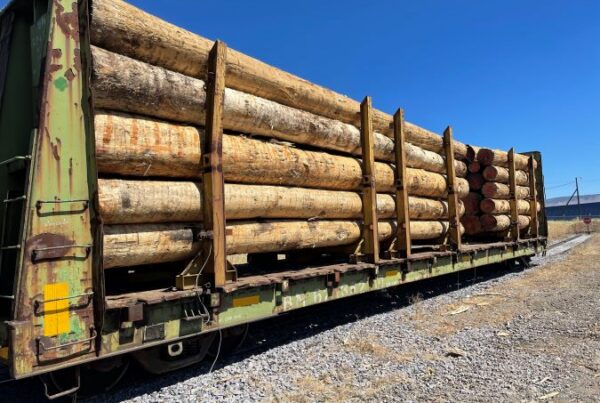
Unlike many manufactured products, lumber cannot always be replenished quickly. Mill production schedules, seasonal logging conditions, transportation delays, rail availability, and weather can all impact supply. If inventory runs too low, customers may face long lead times or be forced to purchase substitute products. Maintaining the right inventory levels helps businesses continue serving customers even when the market becomes unpredictable.
Better Service Means Stronger Relationships
Customers rely on suppliers who consistently have material available. Contractors, dealers, manufacturers, and builders often work on strict project schedules where delays can become expensive. Companies with well-managed inventory can respond quickly, ship orders faster, and become dependable long-term partners rather than simply another supplier.
Lower Costs and Less Waste
Holding too much inventory ties up cash, warehouse space, and operating resources. Holding too little can result in lost sales, expedited freight costs, and dissatisfied customers. Effective inventory management balances these risks by maintaining the right mix of products based on customer demand, historical purchasing patterns, and market trends.
Faster Response to Market Changes
The lumber market can change rapidly due to housing demand, tariffs, transportation costs, weather events, or mill production changes. Companies with accurate inventory data can react faster by adjusting purchasing decisions before shortages or oversupply become major problems. This flexibility helps businesses stay competitive in changing markets.
Improved Warehouse Efficiency
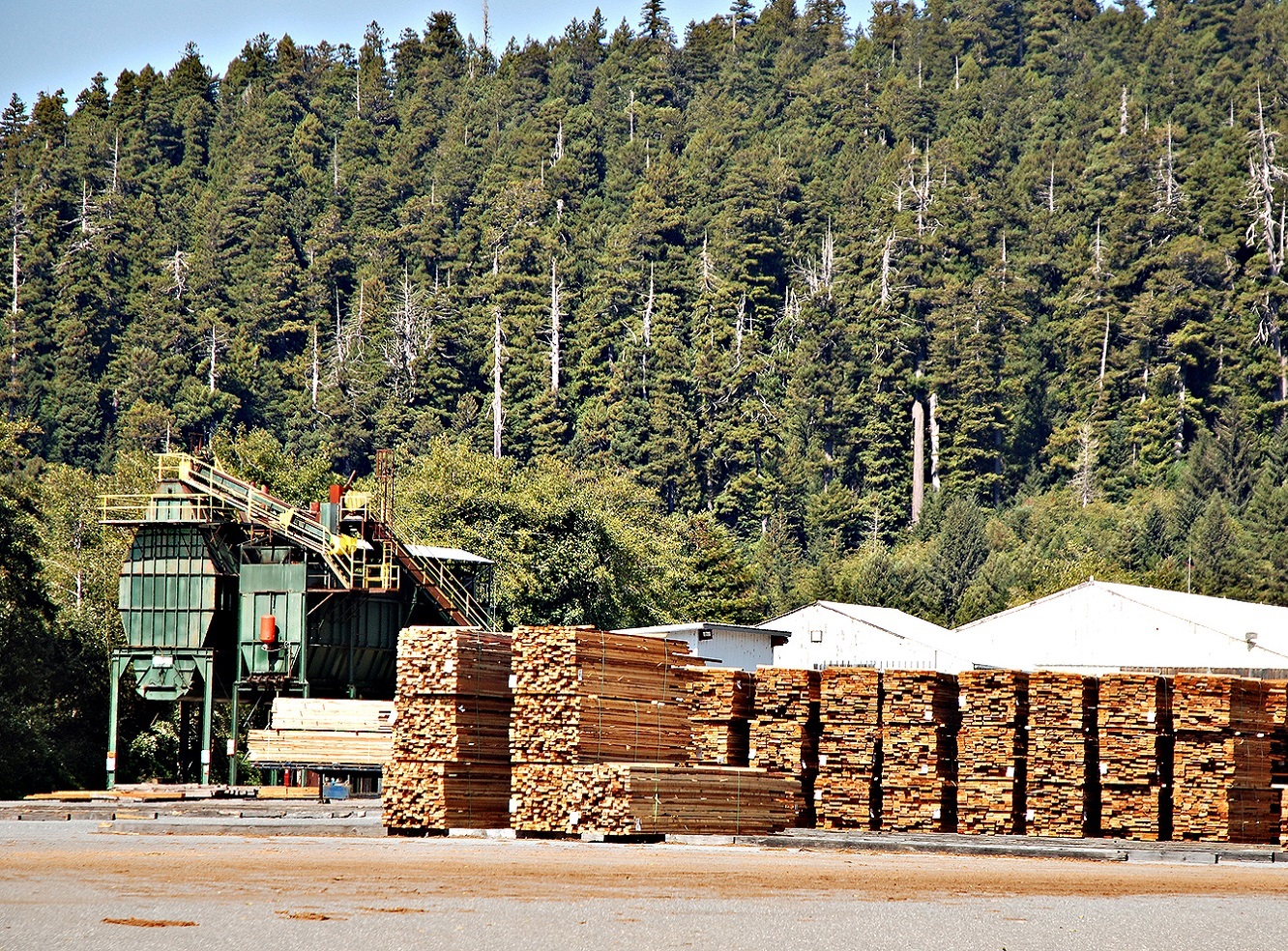
Organized inventory makes warehouse operations safer and more efficient. Employees spend less time searching for products, loading trucks becomes faster, and inventory counts become more accurate. Better organization reduces shipping mistakes while increasing productivity throughout the warehouse.
Better Forecasting and Purchasing
Accurate inventory records allow purchasing teams to forecast future demand with greater confidence. By understanding which products move quickly and which move slowly, buyers can make smarter purchasing decisions, negotiate more effectively with suppliers, and reduce unnecessary inventory carrying costs.
Technology Makes Inventory Smarter
Modern lumber distributors use inventory management software, barcode scanning, warehouse management systems, and real-time reporting to monitor stock levels across multiple locations. These tools improve accuracy, reduce manual errors, and provide instant visibility into available inventory, helping sales teams confidently promise products to customers.
The Bottom Line
In the lumber industry, successful inventory management is about much more than counting boards. It allows suppliers to improve customer service, reduce costs, respond to changing markets, and keep products moving efficiently through the supply chain. Companies that manage inventory well are better positioned to deliver reliable service, maintain profitability, and build lasting customer relationships.