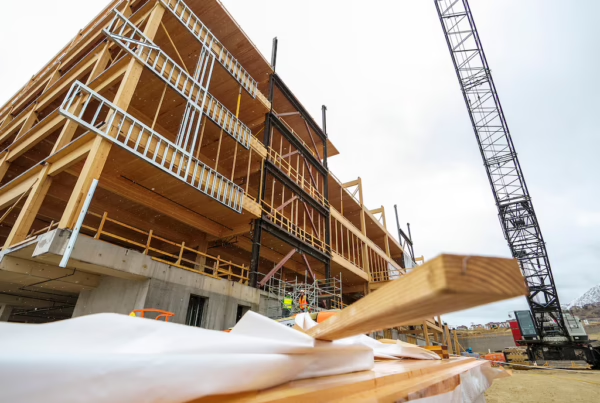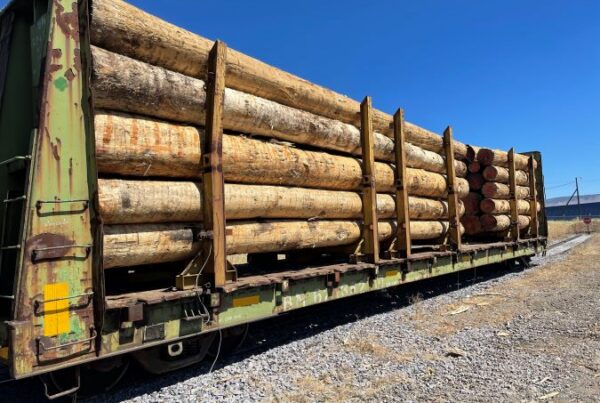


Whether you’re building a home, manufacturing products, or managing inventory, timing is everything. One of the most important factors in keeping projects on schedule is understanding lead times. A lead time is the amount of time between placing an order and receiving the finished product. In the lumber industry, lead times help manufacturers, distributors, and customers plan ahead, reduce delays, and keep projects moving efficiently.
What Is a Lead Time?
Lead time refers to the total time it takes for an order to move through the supply chain. Depending on the product, this may include manufacturing, processing, packaging, transportation, and final delivery. While some standard lumber products are available immediately from inventory, specialty products, custom sizes, or large-volume orders often require additional production time before they can be shipped.
Why Lead Times Vary
Not every order follows the same timeline. Lead times can vary based on product availability, mill production schedules, transportation capacity, seasonal demand, and the complexity of the order. During periods of high construction activity or when mills experience maintenance shutdowns, lead times may increase as demand outpaces available production.
Better Planning Means Fewer Delays
Understanding lead times allows builders, contractors, and manufacturers to schedule projects more effectively. Ordering materials early helps reduce the risk of waiting on critical products that could delay framing, manufacturing, or installation. Planning ahead also gives suppliers more flexibility to coordinate production and transportation efficiently.
Inventory Plays a Key Role
Distributors help shorten lead times by maintaining inventory of commonly used products. Having material readily available allows many orders to ship quickly without waiting for mill production. For less common products or custom specifications, inventory may be limited, making longer lead times a normal part of the ordering process.
Transportation Is Part of the Timeline
Even after lumber leaves the mill, it still has to reach its destination. Truck availability, rail schedules, weather conditions, and delivery distances all affect lead times. Strong logistics planning helps minimize delays, but transportation remains an important part of every order’s overall timeline.
Communication Makes the Difference
Clear communication between customers, suppliers, and manufacturers helps manage expectations and avoid surprises. Knowing estimated lead times allows everyone involved to coordinate schedules, adjust project timelines when necessary, and make informed purchasing decisions before materials are needed.
Why Lead Times Matter
A missed delivery can impact far more than a single shipment. Construction crews may sit idle, manufacturing schedules can be disrupted, and project costs may increase if materials don’t arrive on time. Understanding lead times helps businesses operate more efficiently while reducing unnecessary delays and unexpected expenses.
Final Thoughts
Lead times are an essential part of the lumber industry and the broader construction supply chain. They reflect the time required to manufacture, transport, and deliver quality products safely and efficiently. By planning ahead, communicating early, and working with reliable suppliers, customers can better manage their schedules and keep projects moving from start to finish.