
Wildfires make headlines every year, but their impact goes far beyond the forests themselves. They can affect the entire lumber supply chain, influencing timber availability, sawmill operations, transportation, and even lumber prices. While not every wildfire causes major disruptions, large or widespread fires can have lasting effects on the industry.
Timber Can Be Lost
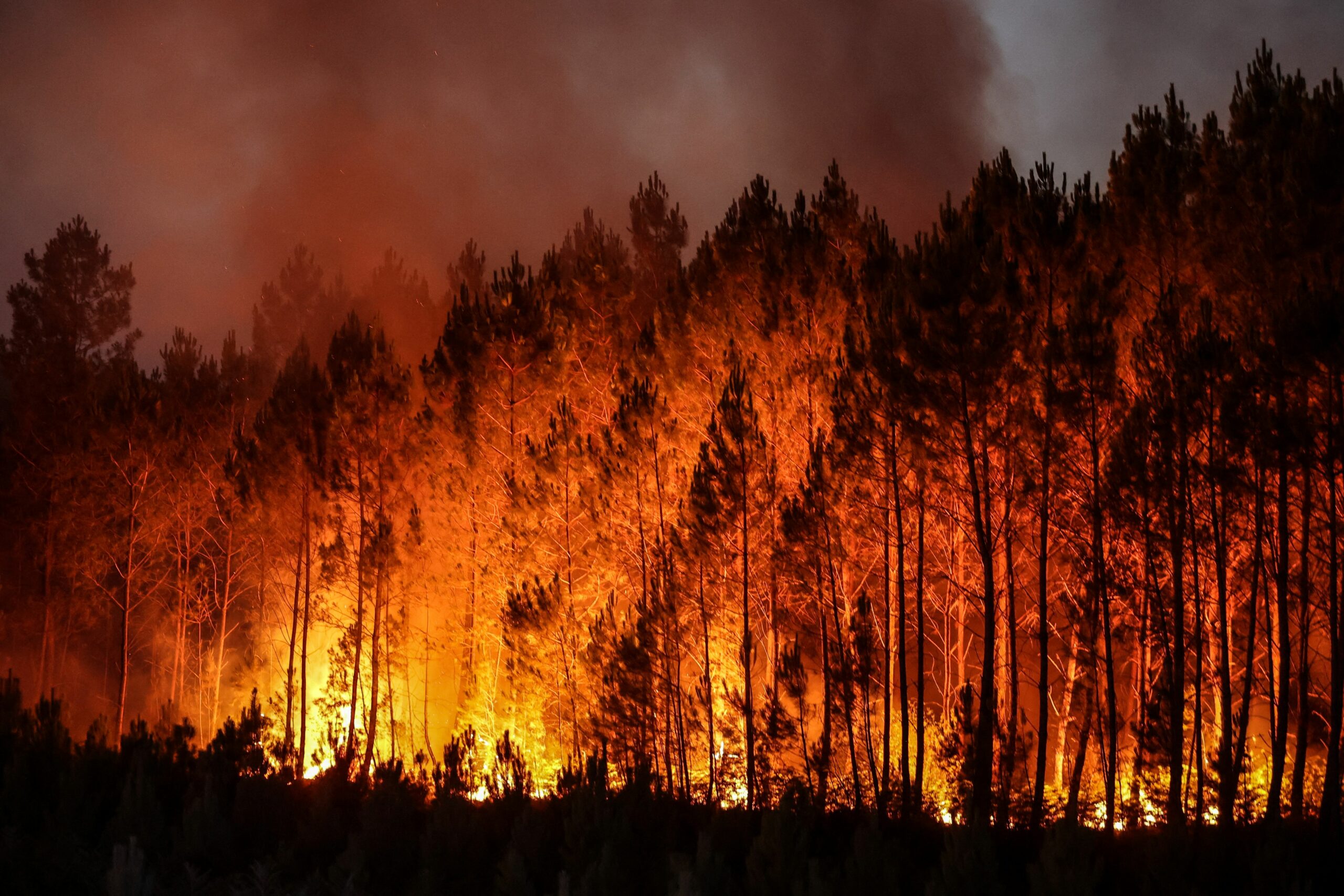
When a wildfire burns through a forest, many trees are damaged or destroyed before they can be harvested. Even if some trees survive, intense heat can weaken the wood or reduce its value, leaving fewer logs available for future lumber production.
Sawmills Feel the Impact
Sawmills rely on a steady supply of logs to keep production moving. If nearby forests are damaged or harvesting is delayed, mills may receive fewer logs, forcing them to reduce production or source timber from farther away. This can increase costs and create supply challenges.
Transportation Can Slow Down
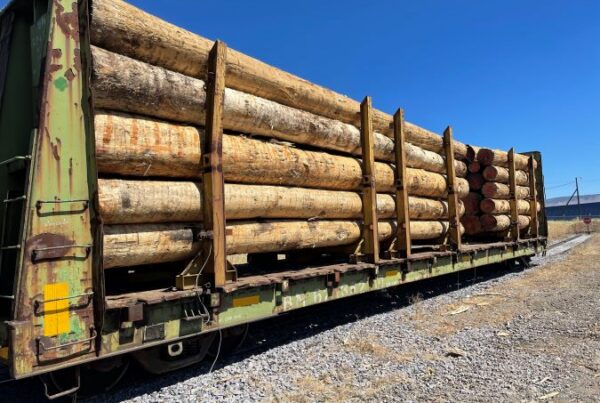
Wildfires often lead to road closures, damaged infrastructure, and temporary restrictions in affected areas. These disruptions can delay the movement of logs to sawmills and finished lumber to customers, adding time and cost throughout the supply chain.
Prices Can Change
When timber becomes less available and transportation becomes more difficult, lumber prices can rise. The extent of the increase depends on many factors, including the size of the fires, existing inventory levels, housing demand, and overall market conditions. While wildfires are only one piece of the puzzle, they can contribute to market volatility.
Forests Can Recover
Although wildfires can cause significant damage, forests are remarkably resilient. Many ecosystems naturally recover over time through new growth, and responsible forest management helps restore damaged areas. Salvage logging may also recover usable timber from some burned forests before it loses value.
Final Thoughts
Wildfires affect much more than the trees they burn. They can influence every step of the lumber supply chain, from harvesting and manufacturing to transportation and pricing. Understanding these impacts helps explain why events in the forest can eventually affect builders, suppliers, and homeowners hundreds or even thousands of miles away.