

Imagine waking up tomorrow and discovering that lumber no longer exists. No dimensional lumber, no plywood, no engineered wood products, and no timber of any kind. It sounds impossible, but thinking about it reveals just how much modern life depends on wood. From the homes we live in to the packaging that delivers our online orders, lumber is one of the world’s most essential building materials.
Home Construction Would Slow to a Crawl
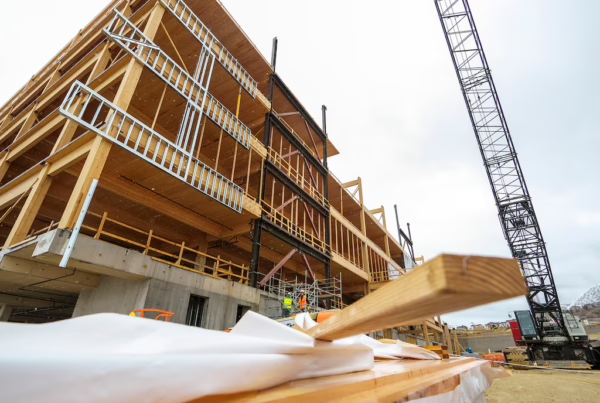
The housing industry would face an immediate crisis. Millions of homes rely on lumber for framing, roofing, flooring, wall sheathing, and interior finishes. Builders would be forced to replace wood with steel or concrete, both of which are significantly more expensive, heavier, and slower to work with. Construction costs would rise dramatically, making new homes even less affordable.
Renovations Would Become More Expensive
Homeowners would quickly notice the impact. Simple renovation projects like replacing a deck, remodeling a kitchen, building a fence, or finishing a basement would become much more difficult. Many common building materials would disappear overnight, driving prices higher as contractors searched for alternatives.
Supply Chains Would Feel the Shock
Lumber isn’t just used in buildings. It plays a major role in shipping products around the world. Wooden pallets, crates, and packaging move everything from groceries and appliances to industrial equipment. Without lumber, manufacturers would need entirely new packaging systems, increasing transportation costs and slowing deliveries.
Furniture Would Look Very Different
Wood has been the foundation of furniture making for thousands of years. Tables, chairs, cabinets, bookshelves, desks, and bed frames would all become more expensive or be replaced with plastic, metal, or composite materials. Many handcrafted products and custom woodworking businesses would disappear altogether.
Everyday Products Would Be Affected
Many people don’t realize how many products begin with wood fiber. Paper, cardboard boxes, tissues, books, notebooks, paper towels, and countless packaging materials all rely on lumber. Even some textiles, food additives, and personal care products contain ingredients derived from wood. Everyday life would change more than most people expect.
The Environmental Tradeoff
At first, some people might assume eliminating lumber would help the environment. In reality, the opposite could happen. Wood is one of the few major building materials that is renewable and stores carbon throughout its life. Replacing it with steel, concrete, or plastics would likely increase greenhouse gas emissions because those materials require far more energy to manufacture.
Thousands of Jobs Would Disappear
The lumber industry supports millions of jobs worldwide. Forest managers, loggers, truck drivers, sawmill workers, equipment operators, engineers, architects, wholesalers, sales representatives, manufacturers, and builders all depend on a healthy wood products industry. Entire communities built around forestry would face enormous economic challenges.
Innovation Would Accelerate
Human ingenuity would eventually create new solutions. Researchers would expand the use of recycled materials, advanced composites, bamboo, and alternative construction methods. However, replacing the versatility, affordability, strength, and sustainability of lumber on a global scale would take decades and cost trillions of dollars.
Why Lumber Remains Irreplaceable
Lumber has shaped civilization for thousands of years because it offers a combination of qualities that few materials can match. It is renewable, strong, lightweight, easy to work with, widely available, and increasingly sustainable when forests are responsibly managed. While technology continues to improve the way we build, wood remains at the center of homes, businesses, infrastructure, and everyday products. If lumber disappeared tomorrow, the world wouldn’t stop—but it would become far more expensive, less sustainable, and much harder to build.