
At first glance, one piece of lumber can look much like another. But once you start building, the differences become clear. Premium lumber is selected, processed, and inspected to higher standards, giving builders straighter boards, fewer defects, and more consistent performance. The result is a product that’s easier to work with and delivers better results.
It Starts in the Forest
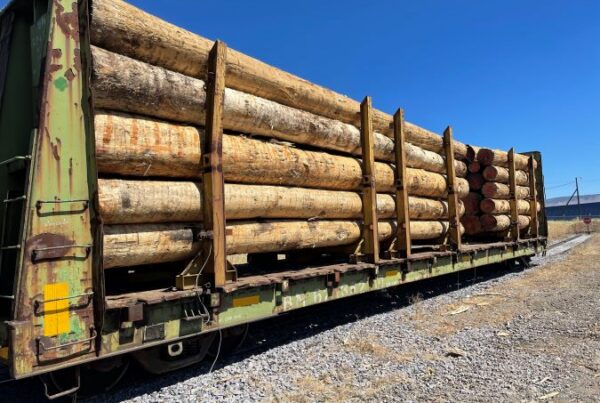
Every premium board begins with a quality log. Mills select logs with straighter grain, fewer imperfections, and more consistent growth. Starting with better raw material helps produce stronger, cleaner lumber from the very beginning.
Grading Matters
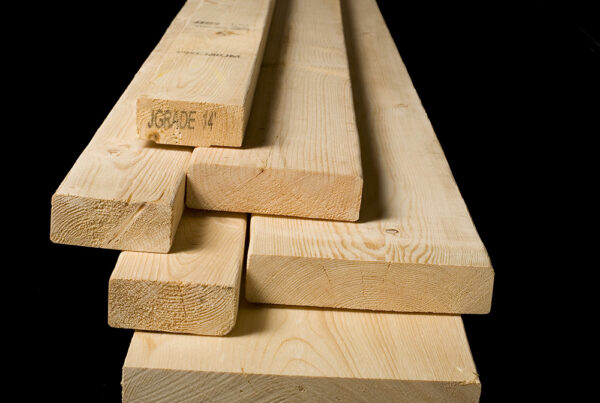
Before lumber leaves the mill, every board is graded for quality. Premium grades allow fewer knots, splits, and other natural defects. That means less time sorting through material and more usable lumber on the job site.
Precision Makes the Difference
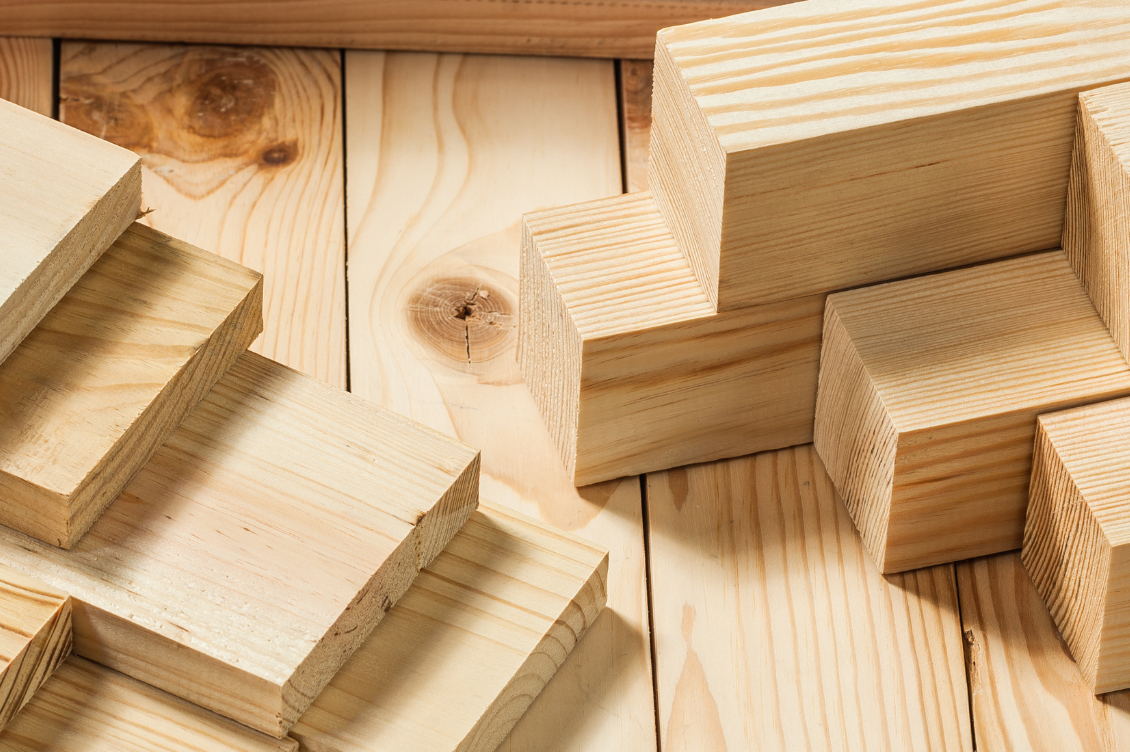
Modern sawmills use advanced equipment to produce lumber with accurate dimensions and smooth surfaces. Straighter, more consistent boards fit together better, making construction faster and reducing wasted material.
Moisture Is Carefully Controlled
Premium lumber is dried to the proper moisture content before it reaches the customer. This helps reduce shrinking, twisting, and warping after installation. Proper drying also improves stability, making the lumber more reliable in a wide range of building projects.
Better Lumber, Better Results
Quality lumber can save both time and money. Builders spend less time working around crooked or damaged boards, create less waste, and often finish projects more efficiently. A better product at the start usually leads to a better finished structure.
Why It Matters
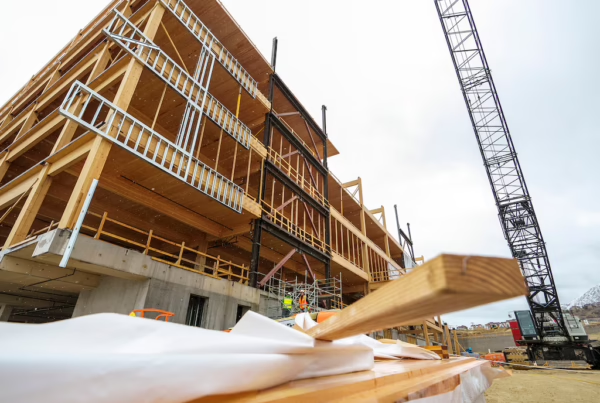
Whether you’re framing a home, building a deck, or manufacturing wood products, quality makes a difference. Premium lumber offers greater consistency, making every stage of the project smoother and helping deliver a stronger, better-looking final result.
Final Thoughts
Premium lumber isn’t defined by a single feature. It’s the result of better logs, careful grading, precise manufacturing, and proper drying. Every step in the process is designed to produce lumber that builders can trust, project after project.