
If you’ve ever worked with lumber, you may have wondered why it isn’t completely dry. The answer is simple: wood is a natural material, and it performs best when it contains the right amount of moisture. Drying lumber too little can lead to warping and shrinking, while drying it too much can make it more likely to crack. The goal isn’t to remove all the moisture—it’s to remove the right amount.
Every Tree Contains Water
A living tree is full of water. It uses moisture to move nutrients from the roots to the leaves and keep the tree alive. Even after a tree is harvested, that water remains inside the wood. Freshly cut, or “green,” lumber contains far too much moisture to be used in construction because it will continue to shrink and change shape as it dries.
Drying Makes Lumber More Stable
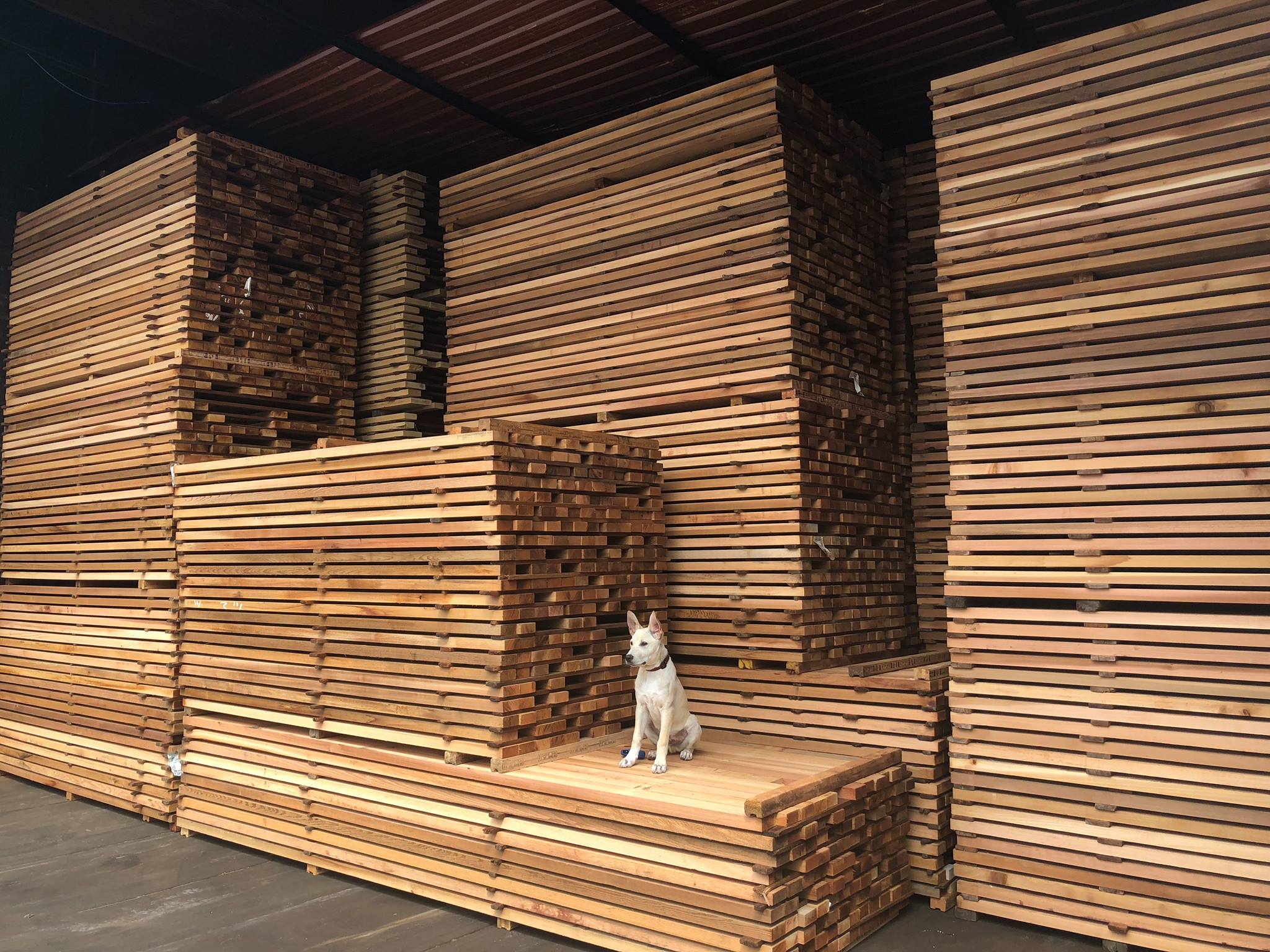
Before lumber reaches the job site, most of it is either air dried or kiln dried. Air drying uses natural airflow over time, while kiln drying uses carefully controlled heat and humidity to speed up the process. Both methods remove excess moisture, making the lumber stronger, more stable, and easier to work with.
Why Not Remove All the Moisture?
It may seem like completely dry lumber would be better, but that’s not how wood works. Wood naturally absorbs and releases moisture as the humidity around it changes. If lumber is dried too much, it can become brittle and develop cracks or splits. Leaving the proper amount of moisture helps the wood perform the way it was designed to.
Different Lumber, Different Moisture Levels
Not all lumber is dried to the same moisture content. Framing lumber is typically dried to about 15% to 19% because it will continue adjusting after a home is built. Lumber used for furniture, cabinets, flooring, and other interior products is dried to much lower levels since it will be installed in climate-controlled spaces where stability is especially important.
Wood Never Stops Moving
Even after a building is finished, wood continues to react to changes in the environment. During humid weather it absorbs moisture and expands. During dry weather it releases moisture and shrinks. This natural movement is why proper storage, installation, and moisture control are so important throughout the life of any wood product.
Final Thoughts
Lumber isn’t perfectly dry because it doesn’t need to be. The right moisture content gives wood the best balance of strength, stability, and durability. By carefully controlling the drying process, mills produce lumber that performs reliably from the job site to the finished building.