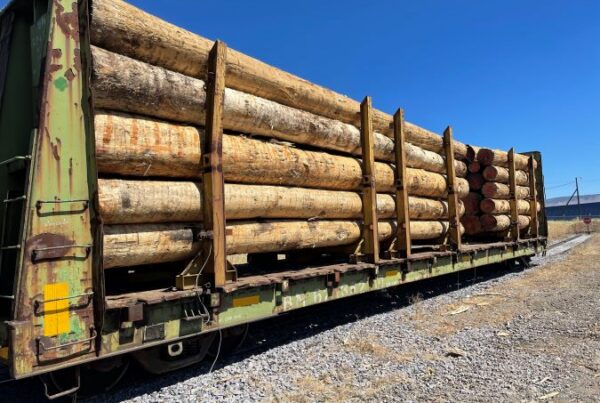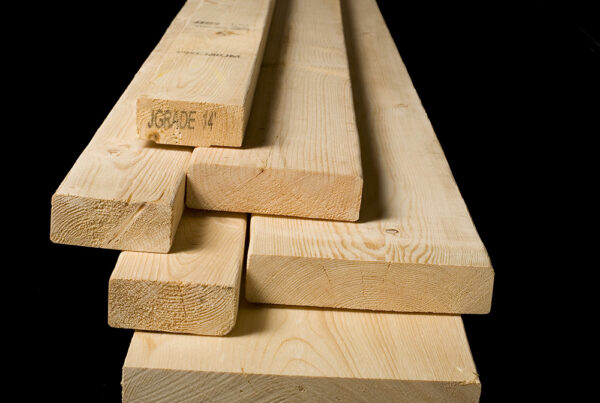


A freshly cut board may look like just another piece of wood, but experienced lumber professionals can often identify the tree species by examining its grain, color, texture, weight, and even its smell. While some species look remarkably similar, each has characteristics that serve as its own natural fingerprint.
The Grain Tells a Story
One of the easiest ways to identify a species is by its grain pattern. Some woods have straight, uniform grain, while others feature bold rings or distinctive textures. Growth rings, knots, and pore patterns provide important clues about where the wood came from.
Color Matters
Fresh lumber varies greatly in color. Eastern White Pine has a pale cream appearance, Douglas Fir often has a light reddish-brown tint, while Western Red Cedar is known for its rich reddish color. Although sunlight can change wood over time, the original color is often a strong indicator of species.
Weight Can Be a Clue
Pick up two boards of the same size, and one may feel noticeably heavier. Dense species contain more wood fibers packed into the same volume, making weight another useful tool for identifying lumber.
Even the Smell Is Different
Many wood species have distinctive aromas. Cedar has its well-known fresh scent, while pine gives off a resin-rich smell when cut. Experienced sawmill workers and woodworkers can often recognize certain species before they even look at the board.
It Takes Experience
While identifying obvious species is possible, many softwoods look alike once they’re dried and planed. Lumber inspectors, graders, and experienced professionals rely on years of training and multiple characteristics—not just one feature—to accurately identify a board.
Why It Matters
Knowing the species helps determine a board’s strength, durability, workability, and best use. Whether it’s framing a home, building furniture, or creating outdoor projects, selecting the right species ensures the lumber performs as intended.
The Bottom Line
Every piece of lumber tells the story of the tree it came from. With enough experience, professionals can often identify a species using nothing more than its appearance, weight, texture, and smell—proving there’s much more to a board than meets the eye.