

Lumber is one of the oldest and most widely used building materials, yet there are still plenty of misconceptions about it. Whether you’re a contractor, builder, lumber yard, or homeowner, understanding the facts can help you make better purchasing decisions. Here are some of the biggest myths about lumber—and the truth behind them.
Myth #1: All Lumber Is the Same
Not all lumber is created equal. Species, grade, moisture content, treatment, and manufacturing all affect how a piece of lumber performs. Two boards may look nearly identical, but they can have very different strength, durability, and intended uses.
Myth #2: Higher Grade Means Stronger Lumber
Lumber grades primarily measure appearance, not just strength. Higher grades typically have fewer knots and visual defects, making them ideal for exposed applications. Lower grades can still provide excellent structural performance when used in the right application.
Myth #3: Pressure-Treated Lumber Is Waterproof
Pressure-treated lumber is designed to resist rot, fungal decay, and insect damage—not to be completely waterproof. While treatment extends the life of the wood, it can still absorb moisture and should be installed using proper construction practices.
Myth #4: Kiln-Dried Lumber Won’t Warp
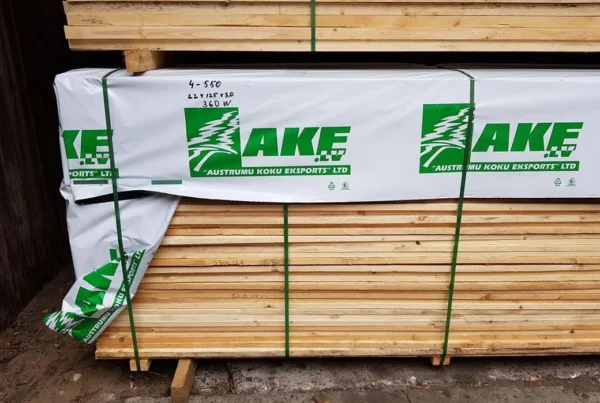
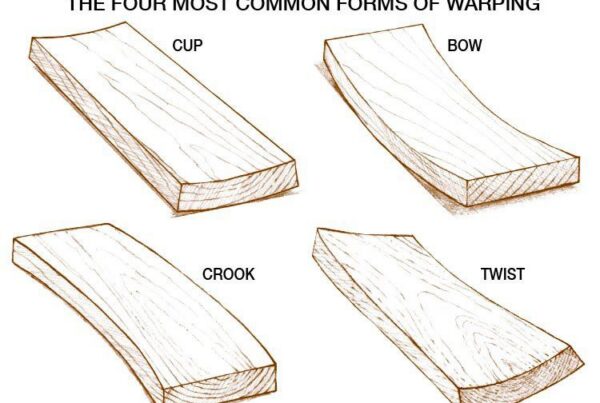
Kiln drying reduces the moisture content before lumber is shipped, making it more stable than green lumber. However, improper storage, exposure to weather, or uneven drying after installation can still cause boards to warp, twist, or cup over time.
Myth #5: Engineered Lumber Is Weaker Than Solid Wood
Engineered wood products such as finger-jointed lumber, LVL, and I-joists are designed to meet strict performance standards. In many applications, they provide greater consistency, improved stability, and predictable strength compared to traditional solid-sawn lumber.
Myth #6: Hardwood Is Always Stronger Than Softwood
The words “hardwood” and “softwood” do not always describe how hard or strong the wood actually is. They refer to the type of tree the wood comes from. Hardwoods come from broadleaf trees, while softwoods come from conifer trees like pine, spruce, fir, and cedar. Some softwoods are very strong and widely used for structural framing, while some hardwoods are softer than people expect.
Myth #7: A 2×4 Is Actually 2 Inches by 4 Inches
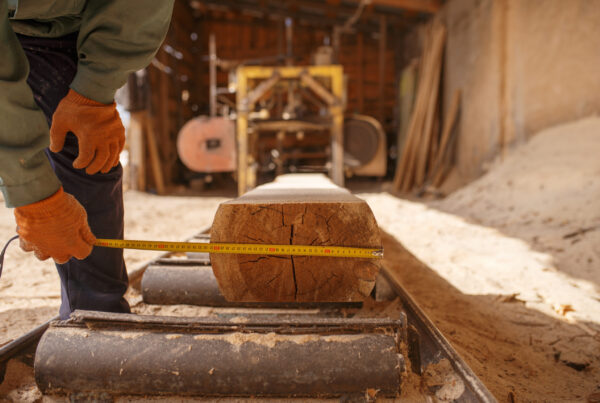
A 2×4 does not measure exactly 2 inches by 4 inches after it is surfaced and dried. The name refers to the rough size before the lumber is finished. A standard 2×4 usually measures about 1.5 inches by 3.5 inches. This is one of the most common misunderstandings in lumber, especially for people new to buying building materials.
The Bottom Line
Understanding the facts behind these common myths helps builders, contractors, and buyers choose the right products for every job. Quality lumber, proper handling, and selecting the correct material for the application all play an important role in creating stronger, longer-lasting projects.