

Buying lumber is about more than finding the right product at the right price. Timing plays a major role in controlling costs, securing inventory, and keeping projects on schedule. Unlike many building materials, lumber prices and availability can change quickly based on market demand, weather, transportation, mill production, and overall construction activity. Buyers who understand these factors and plan ahead are better prepared to make smart purchasing decisions.
Lumber Markets Are Always Changing
Lumber prices can move quickly due to changes in supply and demand. Factors such as housing starts, seasonal construction activity, mill output, and inventory levels all influence the market. A product that is readily available today may become more expensive or harder to find in the weeks ahead. By staying informed and purchasing strategically, buyers can avoid being forced to make decisions during periods of higher prices or limited supply.
Planning Ahead Protects Your Supply
In the lumber industry, availability is just as important as pricing. Certain species, grades, and specialty products may have limited production or longer lead times, especially when demand increases. Waiting until materials are urgently needed can limit options and create unnecessary delays. By forecasting future needs and working with a reliable supplier, buyers can secure the products they need before supply becomes tight.
Seasonal Demand Can Impact Availability
Construction activity follows seasonal trends, and lumber demand often increases during the busier building months. As contractors begin new projects and builders increase production, inventory can move quickly. Products that are easy to source during slower periods may become more competitive when demand rises. Purchasing ahead of seasonal demand helps ensure materials are available when projects require them.
Freight and Lead Times Matter
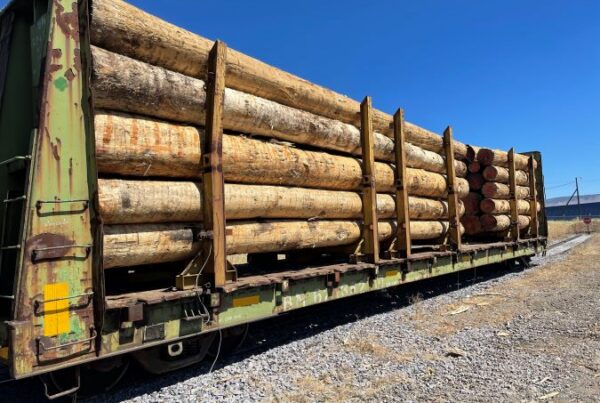
Getting lumber from the mill to the jobsite requires careful planning. Transportation availability, weather conditions, fuel costs, and trucking capacity can all affect delivery times and costs. Last-minute orders often leave fewer options and may result in higher freight expenses. Giving suppliers more time allows them to find the best shipping solutions and deliver materials more efficiently.
Smart Buyers Stay Ahead of the Market
The most successful lumber buyers do not wait until inventory runs low before placing orders. They track market conditions, understand their upcoming needs, and communicate with suppliers regularly. Whether it is securing commonly used products, planning for large projects, or taking advantage of favorable pricing opportunities, a proactive approach creates more control and reduces risk.
The Right Supplier Makes Timing Easier
Having the right supplier can make all the difference when market conditions change. At Sherwood Lumber, we help customers navigate a constantly changing lumber market with reliable inventory, strong supplier relationships, and distribution capabilities across North America. By working closely with lumber dealers, contractors, and builders, Sherwood provides solutions that help customers secure the right products at the right time.