
Lumber shortages don’t happen because trees suddenly disappear. They occur when demand for wood grows faster than the industry can produce, transport, and deliver it. Weather events, wildfires, transportation issues, mill closures, labor shortages, and spikes in construction activity can all create supply challenges that ripple across the entire market.
Demand Surges
The most common cause of a lumber shortage is a sudden increase in demand. When more homes, apartments, commercial buildings, and renovation projects begin at the same time, lumber consumption rises rapidly. If mills can’t increase production fast enough, inventories shrink and prices begin to climb.
Mills Run at Capacity
During a shortage, sawmills work hard to maximize production. Many increase shifts, improve efficiency, and optimize operations to produce as much lumber as possible. Even so, manufacturing has limits, and expanding production takes time, equipment, and skilled workers.
Inventories Shrink
As demand outpaces supply, distributors and lumber yards begin selling inventory faster than it can be replaced. Popular sizes and species may become difficult to find, and lead times for new shipments often increase.
Transportation Becomes Critical
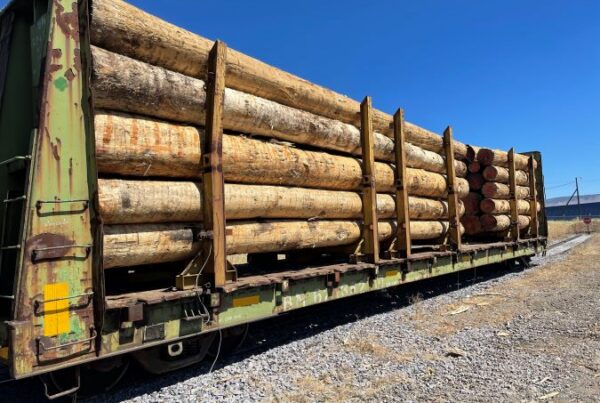
Even when lumber is available, getting it to customers can become a challenge. Limited truck drivers, rail delays, port congestion, or severe weather can slow deliveries. Supply chain disruptions often make shortages feel even worse by delaying material that has already been produced.
Prices Increase
When supply becomes limited and demand remains strong, prices naturally rise. Builders, contractors, and homeowners may pay significantly more for framing lumber, plywood, and other wood products until production catches up with demand.
Builders Adapt
Construction companies often respond by planning purchases earlier, adjusting project schedules, or working with suppliers to secure materials in advance. Good communication throughout the supply chain becomes especially important during periods of tight availability.
The Market Eventually Rebalances
Lumber shortages rarely last forever. As mills increase production, transportation improves, and demand begins to stabilize, inventories gradually recover. Prices often settle back toward more typical levels, although the timing depends on market conditions.
Why Strong Supply Partners Matter
During a lumber shortage, reliable suppliers become more valuable than ever. Strong relationships, diverse sourcing, and experienced inventory management help keep materials moving even when the market is under pressure. While shortages create challenges, they also highlight the importance of planning, communication, and a resilient supply chain.